
Why Independent Engineering Assurance Matters on Critical Assets
Independent engineering assurance gives asset owners and project teams confidence that critical designs, calculations and technical decisions have been reviewed objectively before they are implemented. It is particularly important where failure could affect safety, operations, cost or project schedule.
Engineering decisions involving critical assets often carry consequences far beyond the design office. An error in a structural calculation, lifting arrangement, equipment support or pressure-system modification may not become visible until fabrication, installation or operation—when correction is significantly more difficult and expensive.
Independent engineering assurance provides a structured technical review by engineers who are separate from the original design process. Its purpose is not simply to repeat calculations. A good assurance review examines whether the design basis is complete, whether the applied loads and boundary conditions are realistic, whether the selected standards are appropriate and whether the conclusions are supported by the available evidence.
This distinction is important. A calculation can be mathematically correct while still producing an unsafe result if the underlying assumptions are wrong. For example, a finite element model may use an incorrect load path, omit an eccentric equipment load or constrain the structure in a way that does not represent its real installation. Independent review helps identify these issues before the design progresses into fabrication or site execution.
CITA Engineering’s modular support-structure work illustrates the value of this process. The structure was required to support installed equipment while accommodating fabrication, transportation, installation and operational requirements. Structural analysis and finite element assessment were used to examine the load path through the principal members, connections and equipment interfaces. The review considered stress distribution, deformation and the practical behaviour of the complete assembly rather than treating individual components in isolation.
The same principle applied to the 35-tonne lifting-beam project. The beam had to transfer a substantial lifted load safely between the crane connection and lower lifting points. Engineering calculations and FEA were used to evaluate global bending behaviour, local stresses and deformation, particularly around lifting interfaces and connection details. These checks informed the final design before fabrication and proof-load testing.
Independent assurance is most valuable when it is introduced early. Identifying a deficient load assumption during design is relatively straightforward. Discovering the same issue after fabrication may require rework, retesting, schedule disruption and additional cost. In the worst cases, an unidentified weakness may remain until the equipment is placed under load.
Effective assurance should therefore include more than a final document check. It may involve review of the design basis, calculations, drawings, material specifications, welding or bolting details, inspection requirements, test procedures and close-out records.
For asset owners and project teams, the principal benefit is confidence. Independent engineering assurance provides an objective basis for technical acceptance and helps ensure that high-consequence decisions are supported by sound engineering evidence before work proceeds.
Related services
Related projects
Related articles.
Finite Element Analysis: Turning Complex Structural Behaviour into Engineering Decisions
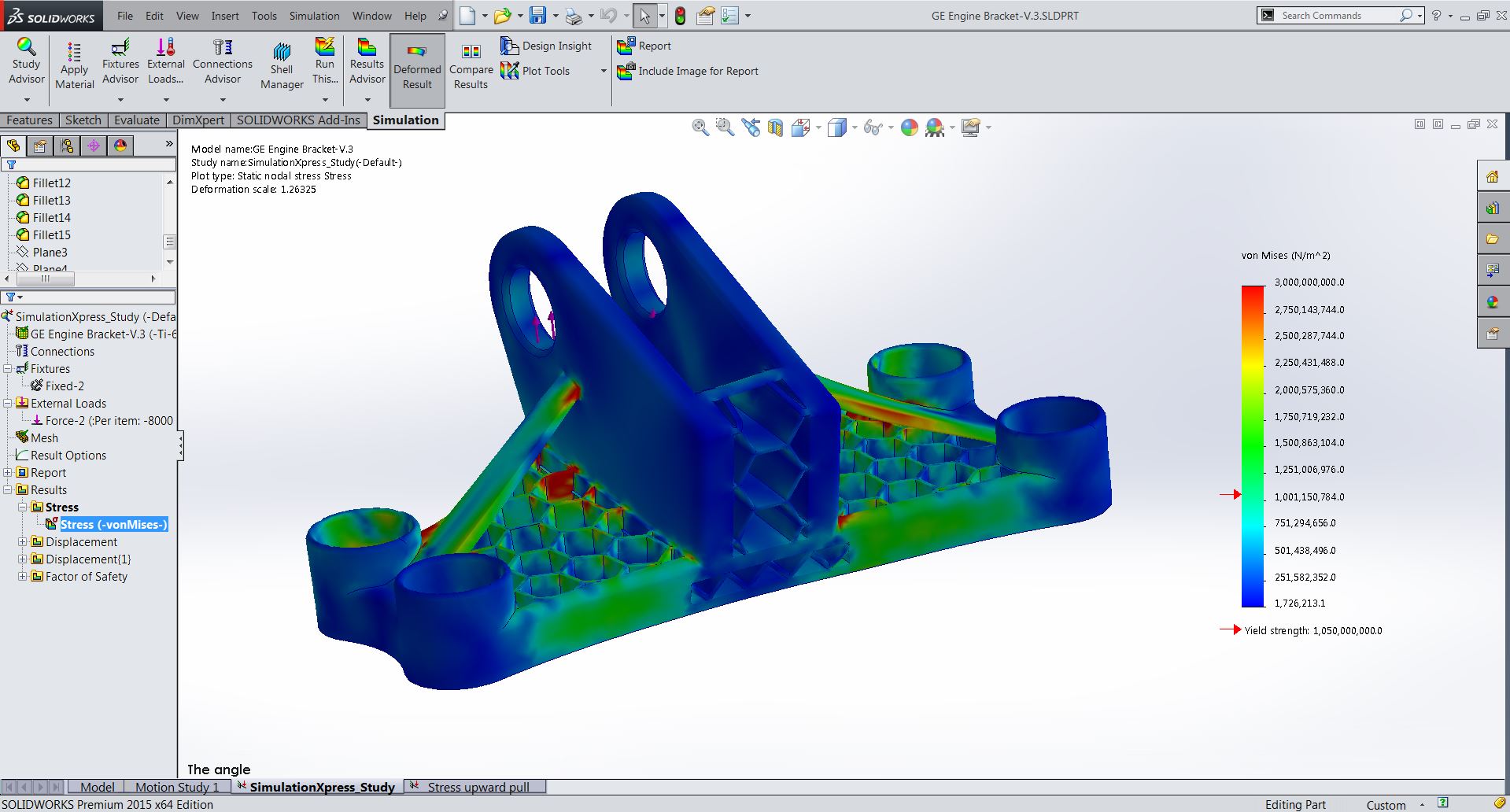
Finite Element Analysis can reveal stress concentrations, deformation and load paths that are difficult to evaluate using simplified calculations alone. Its value depends on realistic assumptions, appropriate modelling and careful engineering interpretation.
Embedded Engineering Support: More Than Additional Manpower
Embedded engineering support gives project teams flexible access to specialist capability, but its value extends beyond filling a temporary vacancy. The strongest arrangements combine competent personnel with technical governance, clear responsibilities and integration into the client’s delivery processes.

Brownfield Engineering: Managing Modifications Without Disrupting Operations
Brownfield modifications must improve existing assets without creating new integrity, operability or construction risks. Effective delivery depends on accurate site information, disciplined interface management and a clear understanding of how the facility actually operates.
Need assurance-led engineering support on a live asset or project?
Book a technical consultation to discuss scope, risk profile, project stage, and the most appropriate support model.