
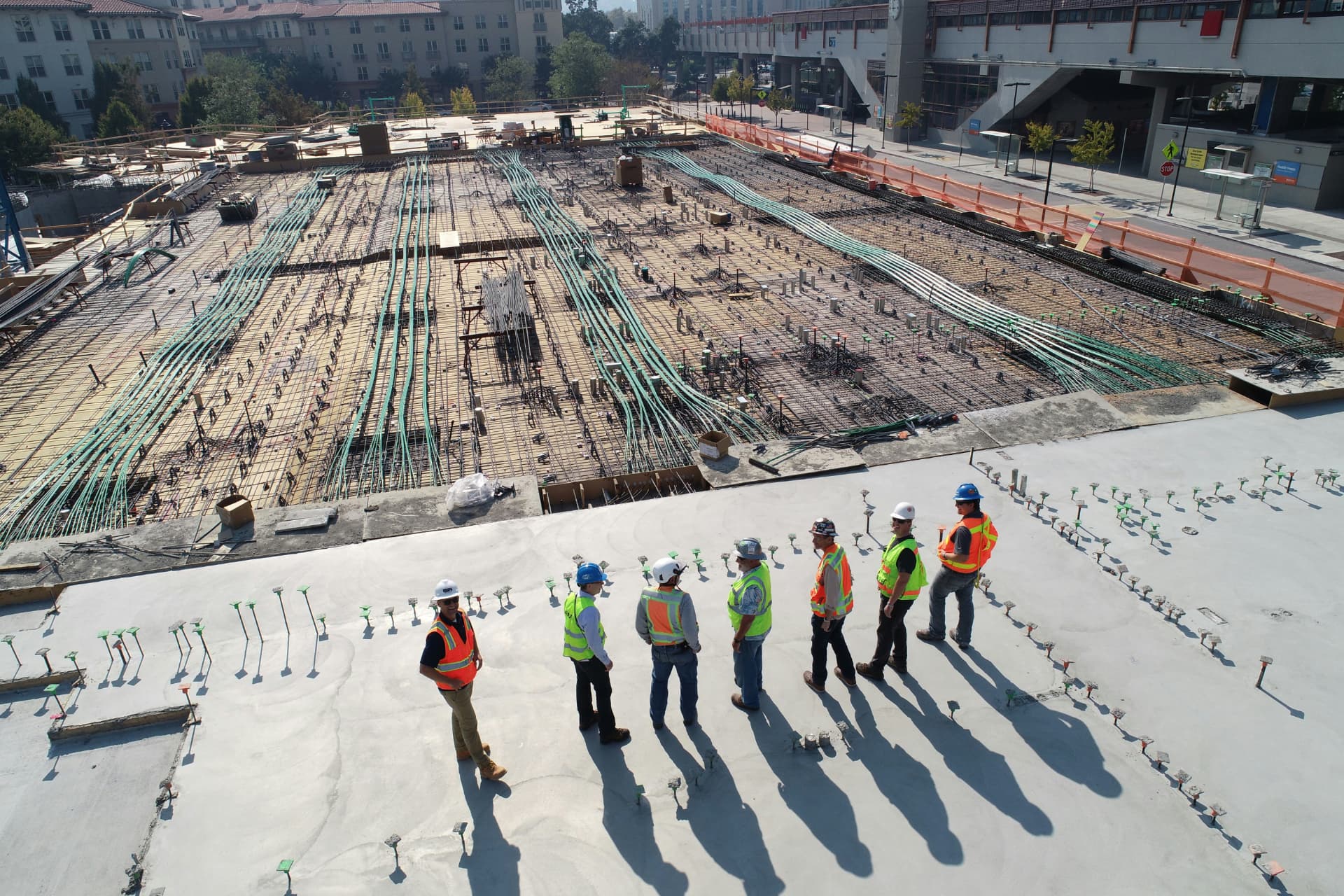
Embedded Engineering Support: More Than Additional Manpower
Embedded engineering support gives project teams flexible access to specialist capability, but its value extends beyond filling a temporary vacancy. The strongest arrangements combine competent personnel with technical governance, clear responsibilities and integration into the client’s delivery processes.
Engineering organisations frequently experience periods when project demands exceed their internal capacity. A new contract may create a sudden requirement for specialist calculations, a shutdown may require additional site support or an extended programme may need dedicated engineers without justifying permanent recruitment.
Embedded engineering support provides a flexible solution by placing experienced personnel directly within the client’s organisation or project team. These engineers work alongside the client’s employees, contractors and suppliers while supporting defined technical and project-delivery responsibilities.
The model is sometimes viewed simply as a way to supply extra manpower. In practice, effective embedded support should provide much more. The engineer must understand the client’s procedures, document-control systems, technical standards, approval routes and project culture. At the same time, the engineer must retain professional independence and apply sound technical judgement.
Clear role definition is essential. Before an assignment begins, the parties should establish the required discipline, responsibilities, reporting arrangements, deliverables, authority limits and competence requirements. This avoids uncertainty over whether the individual is providing calculations, technical coordination, design approval, supplier management or general project support.
CITA Engineering’s embedded-support model is intended to provide flexibility, continuity and access to specialist expertise for peak workloads, specialist projects, shutdowns and longer-term programmes. The corporate profile identifies roles including project engineers, mechanical engineers, structural engineers, subsea engineers, inspection engineers, engineering managers and technical authorities.
Real project experience demonstrates how broad these assignments can become. On the static and stress-calculation secondment, embedded engineering personnel supported calculations relating to pressure vessels, piping, ducting and mechanical equipment. The role also extended into supplier coordination, document management, technical requirements, regulatory support, cost and programme interfaces.

Similarly, the automated drilling and punching assignment combined detailed mechanical design with 3D CAD modelling, production drawings and design-for-manufacture activities. The engineer worked within the client’s project environment and helped progress the equipment from concept toward manufacturing information.
The benefit to the client is not simply additional headcount. Embedded personnel can reduce workload pressure, fill specialist capability gaps and improve continuity across complex programmes. They can also provide an external perspective that helps challenge assumptions and strengthen technical decision-making.
For the model to succeed, however, communication and governance must remain clear. Embedded engineers need access to the right information, suitable technical support and defined review arrangements. Their work should be integrated into the client’s systems without losing accountability for professional quality.
When structured properly, embedded engineering support becomes an extension of the client’s technical organisation. It provides scalable expertise while maintaining the discipline, competence and engineering judgement required for safe and reliable project delivery.
Related services
Related projects
Related articles.
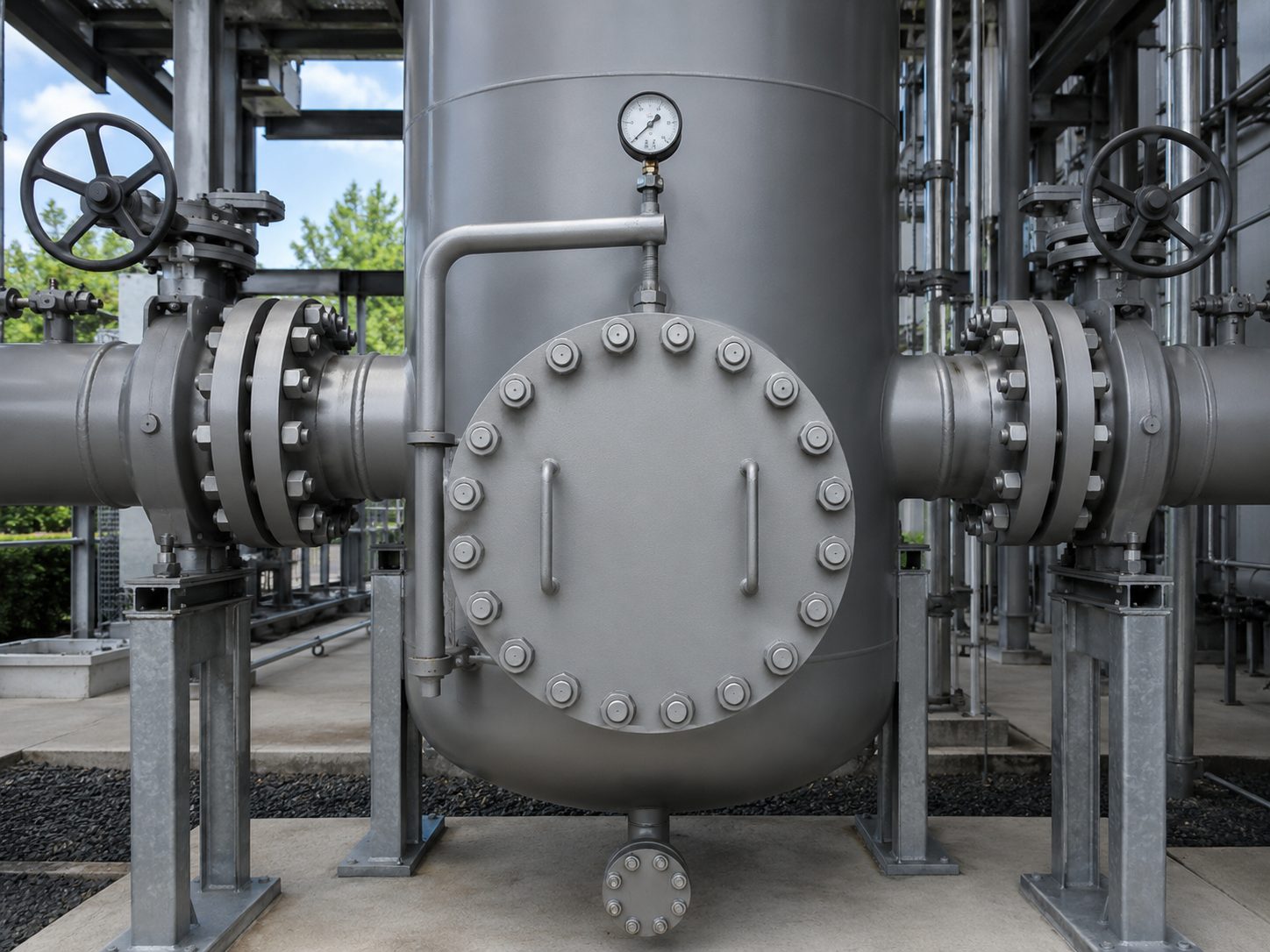
Why Independent Engineering Assurance Matters on Critical Assets
Independent engineering assurance gives asset owners and project teams confidence that critical designs, calculations and technical decisions have been reviewed objectively before they are implemented. It is particularly important where failure could affect safety, operations, cost or project schedule.
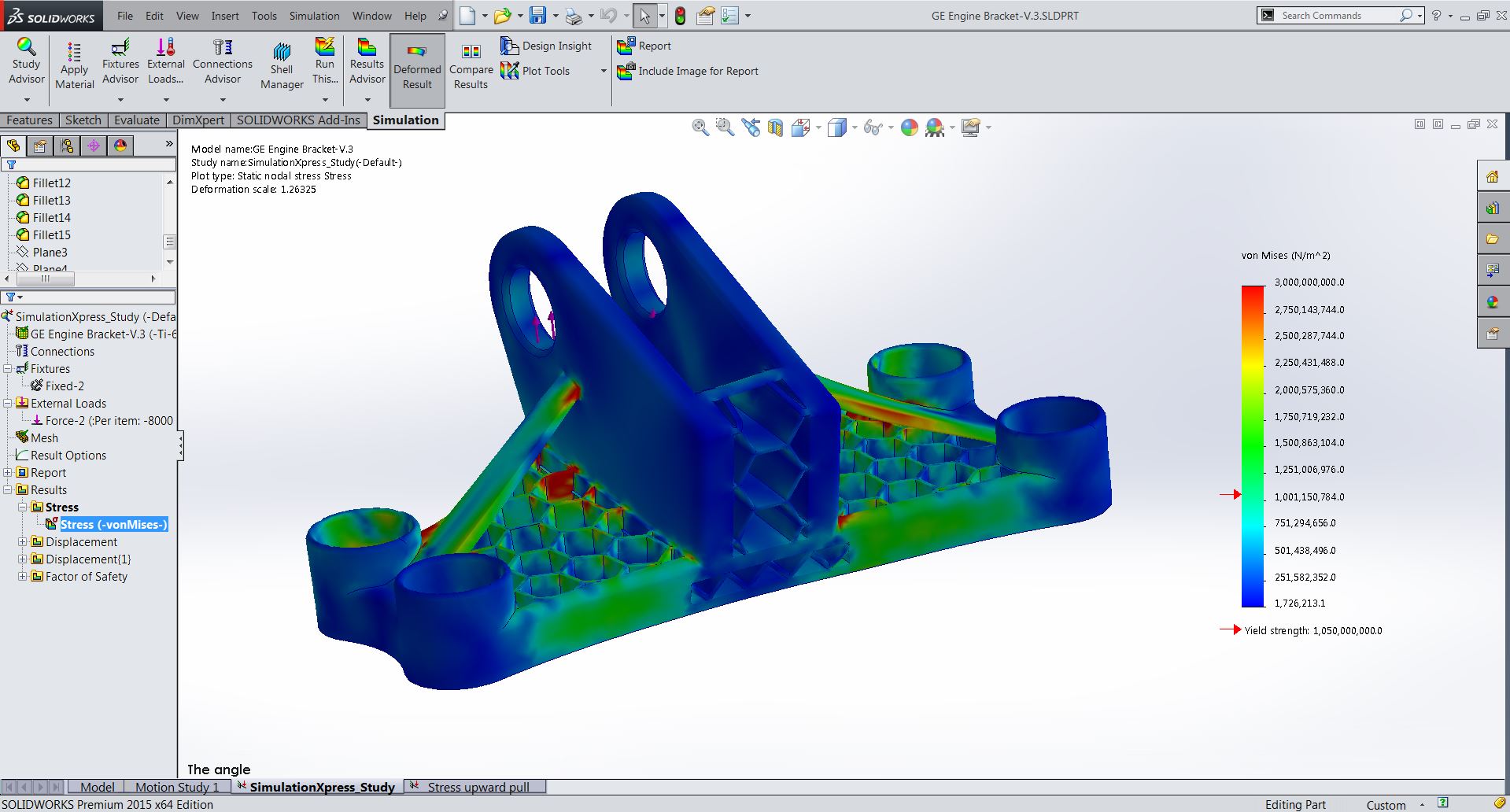
Finite Element Analysis: Turning Complex Structural Behaviour into Engineering Decisions
Finite Element Analysis can reveal stress concentrations, deformation and load paths that are difficult to evaluate using simplified calculations alone. Its value depends on realistic assumptions, appropriate modelling and careful engineering interpretation.
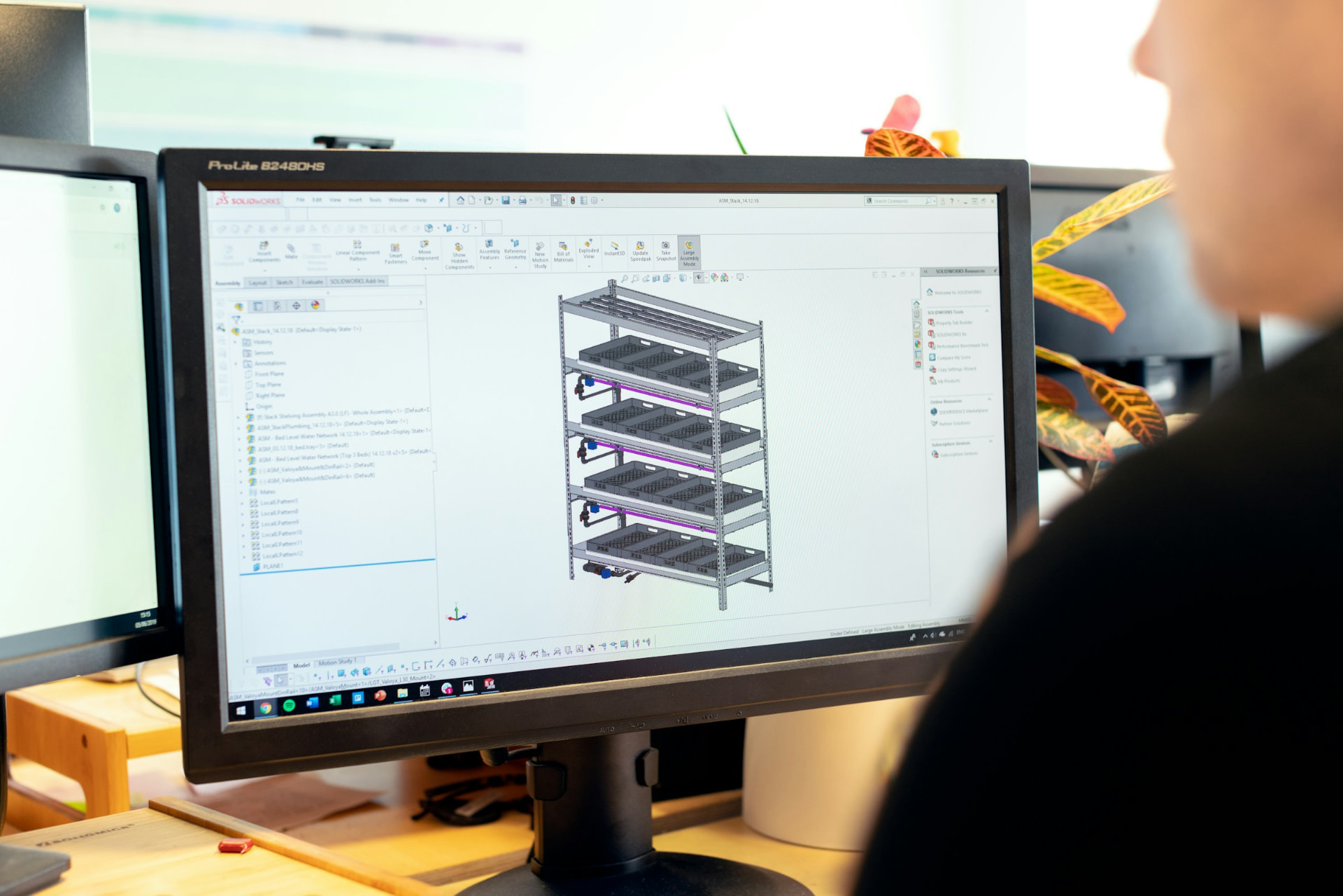
Practical Mechanical Design for Real-World Project Execution
A design is not truly complete when the calculation is finished. Execution-ready mechanical design must also account for fabrication, installation, access, maintenance, inspection and the quality of the technical information issued to the people responsible for delivering the work.
Need assurance-led engineering support on a live asset or project?
Book a technical consultation to discuss scope, risk profile, project stage, and the most appropriate support model.