
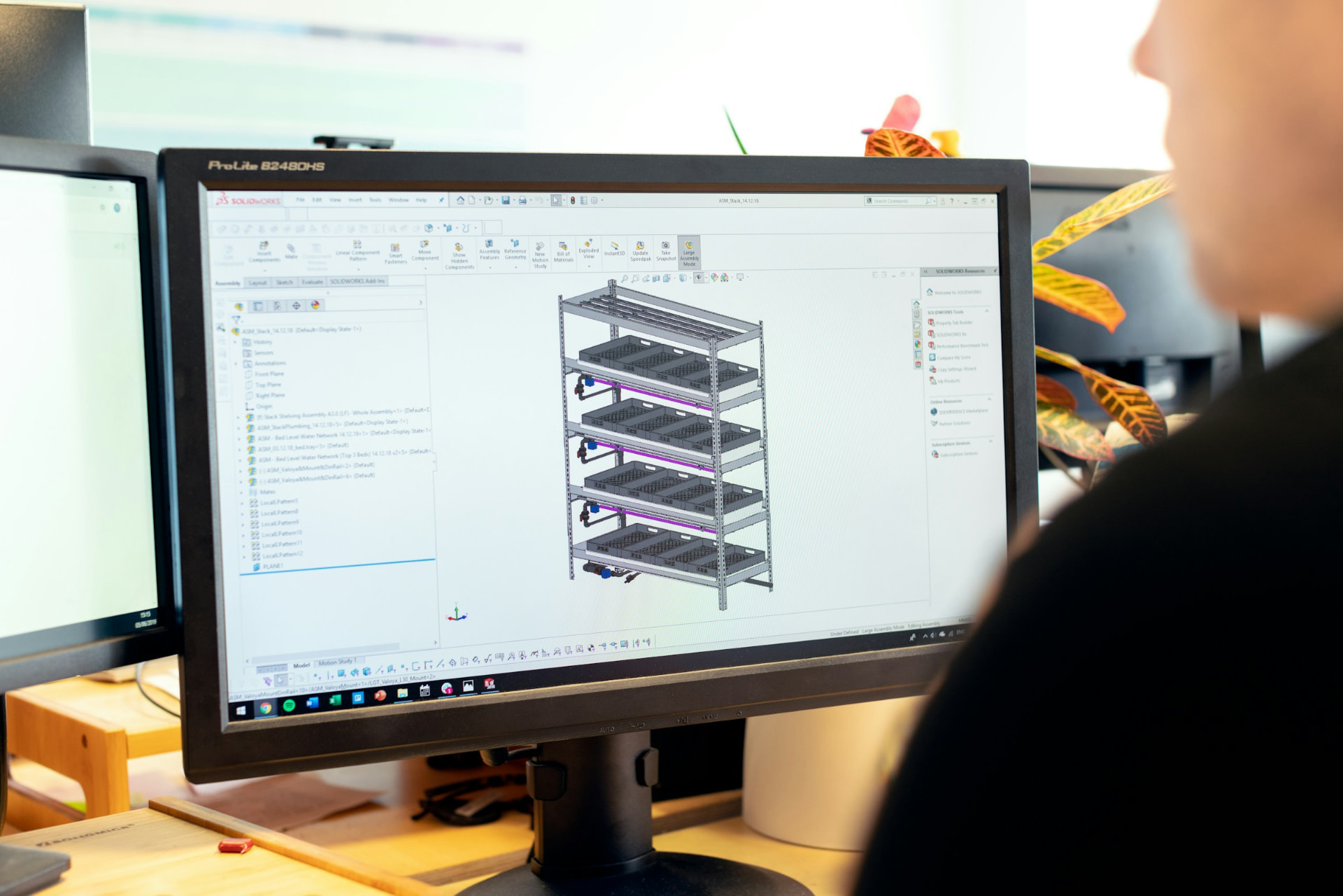
Practical Mechanical Design for Real-World Project Execution
A design is not truly complete when the calculation is finished. Execution-ready mechanical design must also account for fabrication, installation, access, maintenance, inspection and the quality of the technical information issued to the people responsible for delivering the work.
Mechanical design is often judged by whether it satisfies a calculation or meets a drawing requirement. In practice, however, a technically correct design may still perform poorly if it is difficult to manufacture, install, inspect or maintain.
Execution-ready engineering begins by recognising that a design will eventually be handled by fabricators, site personnel, operators and maintenance teams. Each group needs clear, accurate and practical information. The design must therefore be developed with an understanding of how the equipment will move from concept through manufacture, installation, commissioning and operation.
Installability is one of the first considerations. Engineers must ask whether components can be transported into position, whether lifting points are accessible and whether assembly can be completed using the tools and space available on site. Interfaces with adjacent structures, pipework, electrical equipment and access routes must be reviewed early. A design that works only in an unconstrained digital model may create significant difficulty during construction.
Maintainability is equally important. Equipment should be arranged so that routine inspection, adjustment and replacement can be performed without unnecessary dismantling. Bolts, bearings, filters, motors, dampers and other serviceable components need adequate access. Where a component has a foreseeable replacement life, the design should consider how it will be removed and what lifting or handling provisions may be required.
CITA Engineering’s autoclave trolley project is an example of this practical approach. The trolley was developed around the client’s operational handling requirements and the physical constraints of the manufacturing environment. The work involved 3D modelling, mechanical and structural design, production drawings and design-for-manufacture review. The purpose was not simply to create a model, but to produce a solution that could be fabricated and used effectively.
The automated drilling and punching project followed a similar principle. The engineering work had to accommodate different fabrication sizes while supporting repeatable production. This required attention to adjustability, component arrangement, guarding interfaces, production flow and the quality of the drawings issued for manufacture.
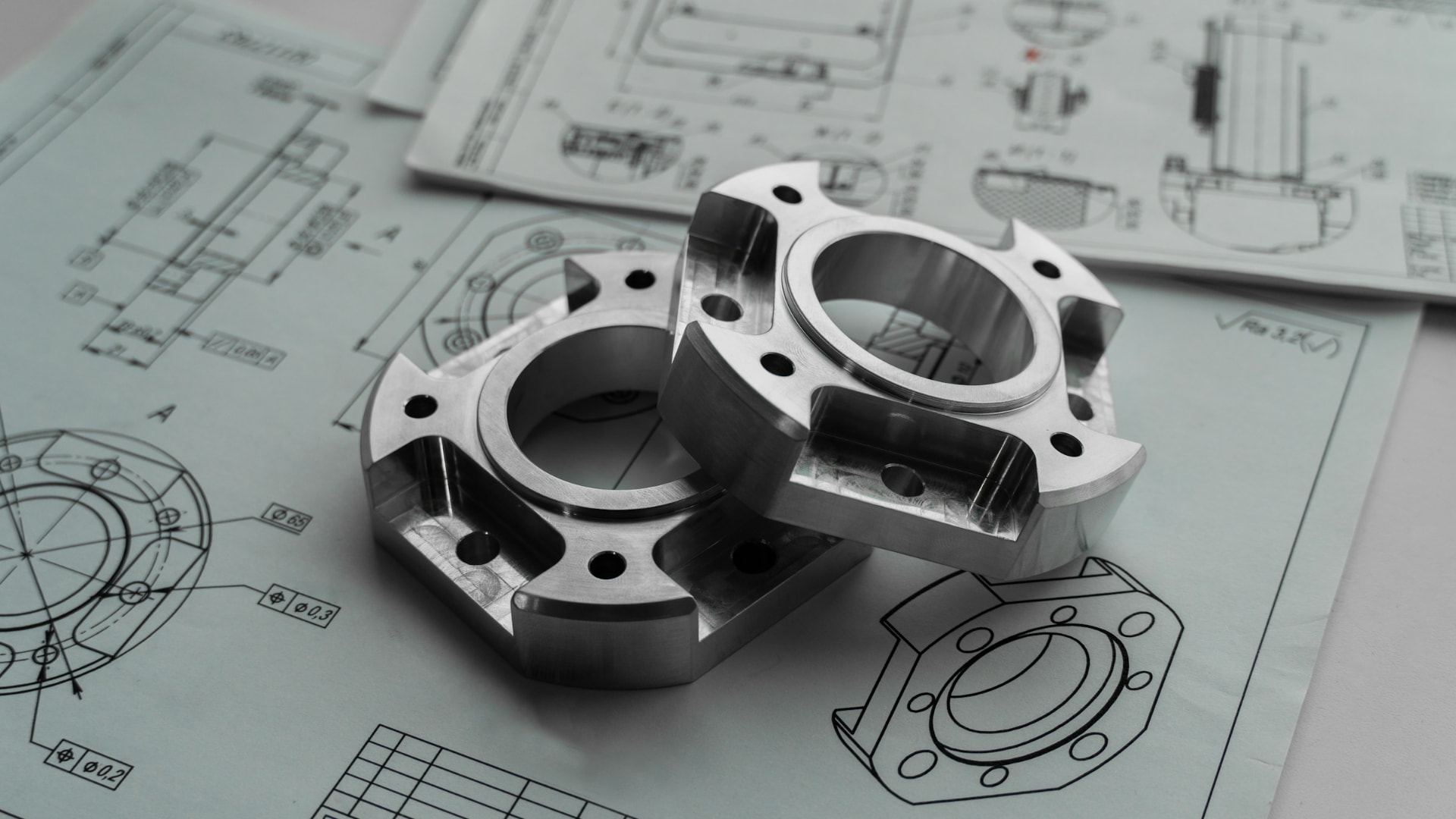
Documentation quality is central to execution-ready design. Drawings must communicate dimensions, tolerances, materials, finishes, weld details and assembly requirements clearly. Calculations, specifications and models should be consistent with one another. Revision control must also be maintained so that fabricators and site teams work from the correct information.
Field awareness further improves design quality. Engineers who understand fabrication and installation are more likely to identify avoidable complexity, inaccessible connections and unrealistic tolerances. They can also distinguish between theoretical optimisation and practical value.
The best mechanical designs are not necessarily the most complicated. They are the designs that meet the technical requirement while remaining safe, manufacturable, installable, maintainable and clearly documented. That is what turns engineering output into a deliverable that can be executed successfully in the real world.
Related services
Related projects
Related articles.
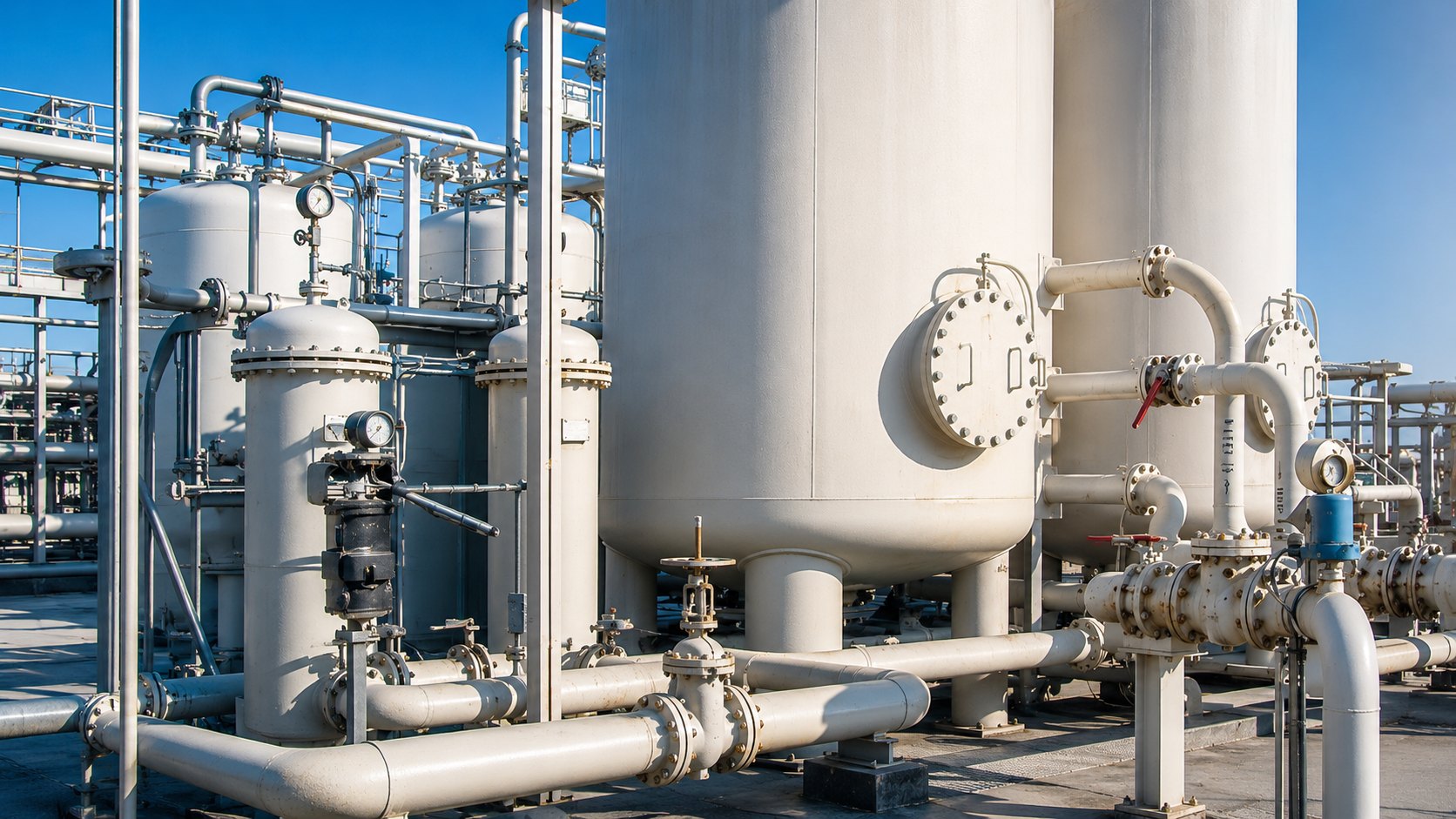
Brownfield Engineering: Managing Modifications Without Disrupting Operations
Brownfield modifications must improve existing assets without creating new integrity, operability or construction risks. Effective delivery depends on accurate site information, disciplined interface management and a clear understanding of how the facility actually operates.
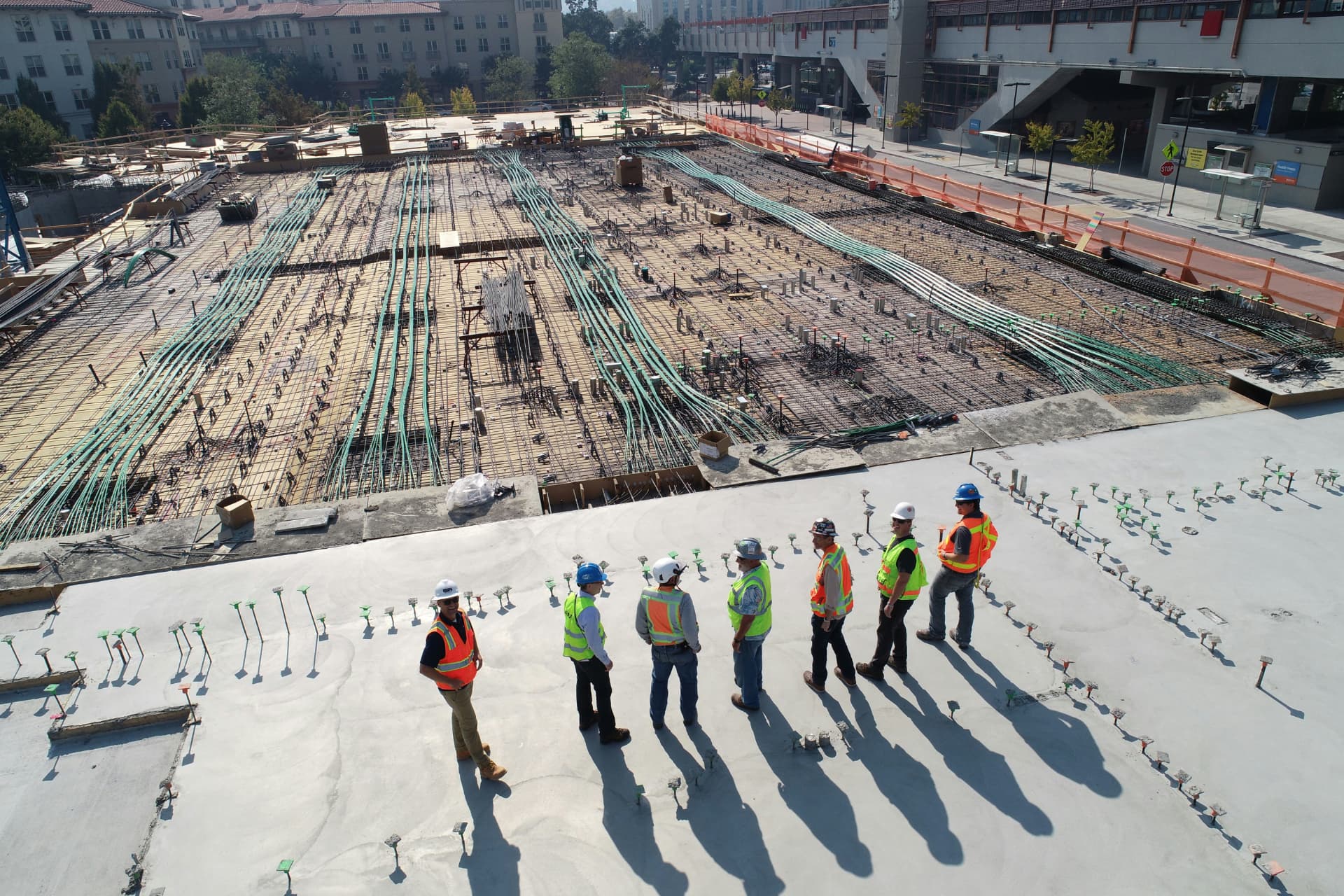
Embedded Engineering Support: More Than Additional Manpower
Embedded engineering support gives project teams flexible access to specialist capability, but its value extends beyond filling a temporary vacancy. The strongest arrangements combine competent personnel with technical governance, clear responsibilities and integration into the client’s delivery processes.
Asset Integrity Priorities for Ageing Industrial Facilities
Ageing equipment should not be judged by age alone. Effective asset-integrity decisions combine inspection findings, engineering assessment, operating history and risk to determine whether equipment can remain in service, requires modification or should be replaced.
Need assurance-led engineering support on a live asset or project?
Book a technical consultation to discuss scope, risk profile, project stage, and the most appropriate support model.