Asset Integrity Priorities for Ageing Industrial Facilities
Ageing equipment should not be judged by age alone. Effective asset-integrity decisions combine inspection findings, engineering assessment, operating history and risk to determine whether equipment can remain in service, requires modification or should be replaced.
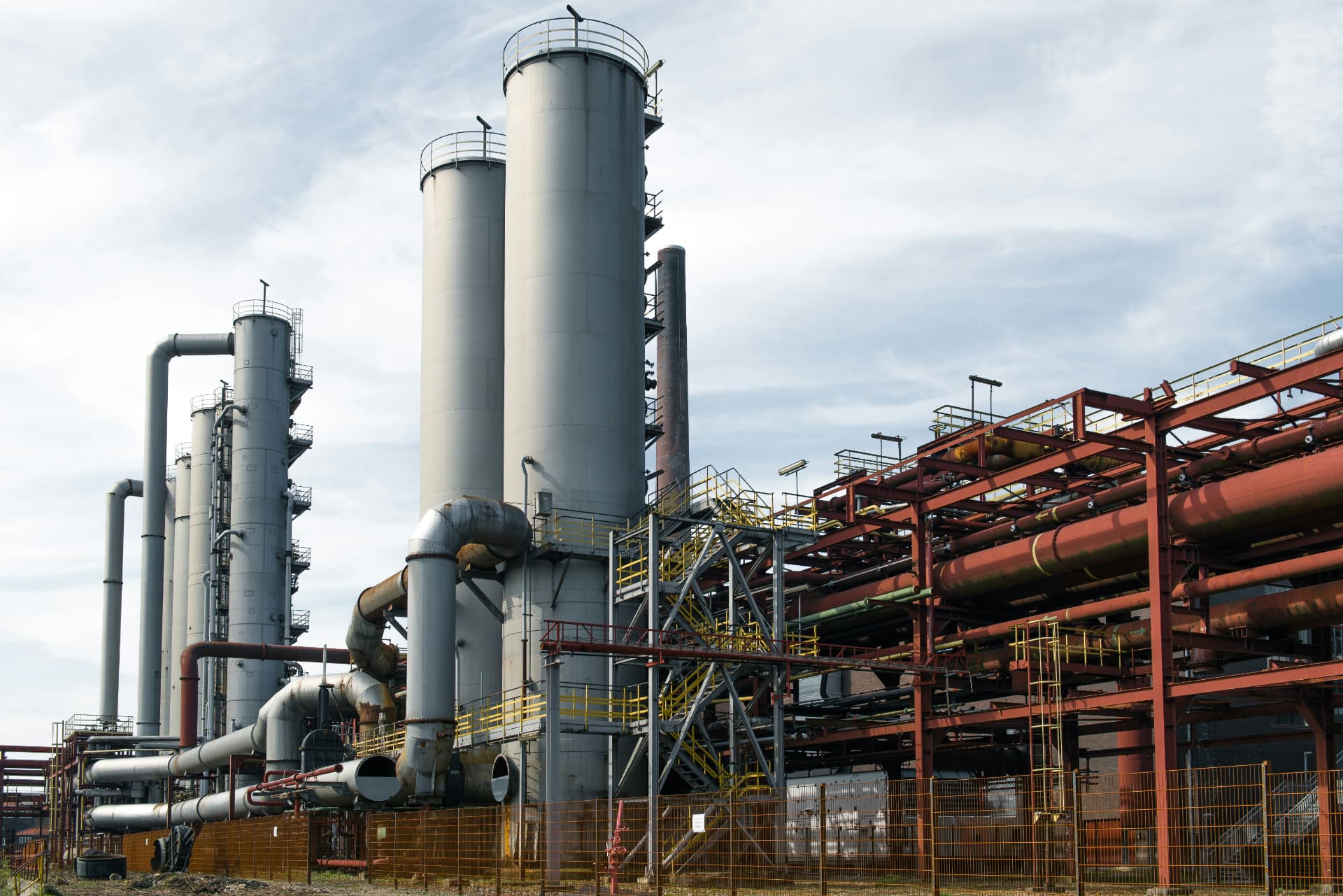
Industrial facilities frequently operate equipment beyond its original planned service period. Continued operation is not necessarily unsafe, but it requires a disciplined understanding of asset condition, degradation mechanisms and the consequences of failure.
The first priority is to distinguish between the presence of an anomaly and its engineering significance. Inspection may identify corrosion, cracking, distortion, wear, damaged connections or local material loss. These findings are important, but inspection data alone does not determine whether the asset remains suitable for service.
Engineering assessment converts inspection information into a technical decision. The process begins by understanding the equipment’s design, materials, operating conditions, loading history and previous modifications. Engineers then consider how the observed anomaly affects structural strength, pressure containment, fatigue resistance, stability or operational performance.
CITA Engineering’s bioreactor inspection and modification project provides a practical example. An existing process vessel required assessment and mechanical modification to improve its functionality while preserving the integrity of the equipment. Because the work involved an installed process vessel, the engineering team had to consider both the existing condition and the effect of the proposed change.
Modifications to ageing equipment can introduce new risks if they are treated as isolated additions. A new connection, support or internal component may change local load paths or create stress concentrations. Welding may also affect the existing material and pressure boundary. For this reason, the engineering scope included review of the vessel configuration, mechanical assessment of the affected areas, redesign of the relevant components and technical support for controlled fabrication.
Fitness-for-service thinking is central to these decisions. The question is not simply whether an imperfection exists, but whether the equipment can continue to perform its intended function safely under defined operating conditions. Depending on the asset and the available data, the evaluation may consider remaining wall thickness, local stress, crack-like defects, fatigue exposure, pressure and temperature cycles or structural deformation.
Risk helps determine the appropriate response. An anomaly on non-critical equipment with low consequence may justify monitoring and planned repair. The same type of anomaly on a pressure-containing component in hazardous service may require immediate restriction, detailed assessment or shutdown.
Typical outcomes include continued operation with no additional action, continued operation with enhanced monitoring, local repair, operating-envelope reduction, engineered modification or replacement. The selected action should be proportionate to the technical risk and supported by documented reasoning.
For ageing facilities, the most effective integrity programmes combine inspection, engineering analysis, maintenance history and operational knowledge. This allows limited resources to be directed toward the assets and degradation mechanisms that present the greatest risk.
Asset integrity is therefore not simply an inspection activity. It is an ongoing engineering decision-making process that helps organisations maintain safe operation, avoid unnecessary replacement and manage the remaining life of critical equipment with confidence.
Related services
Related projects
Related articles.
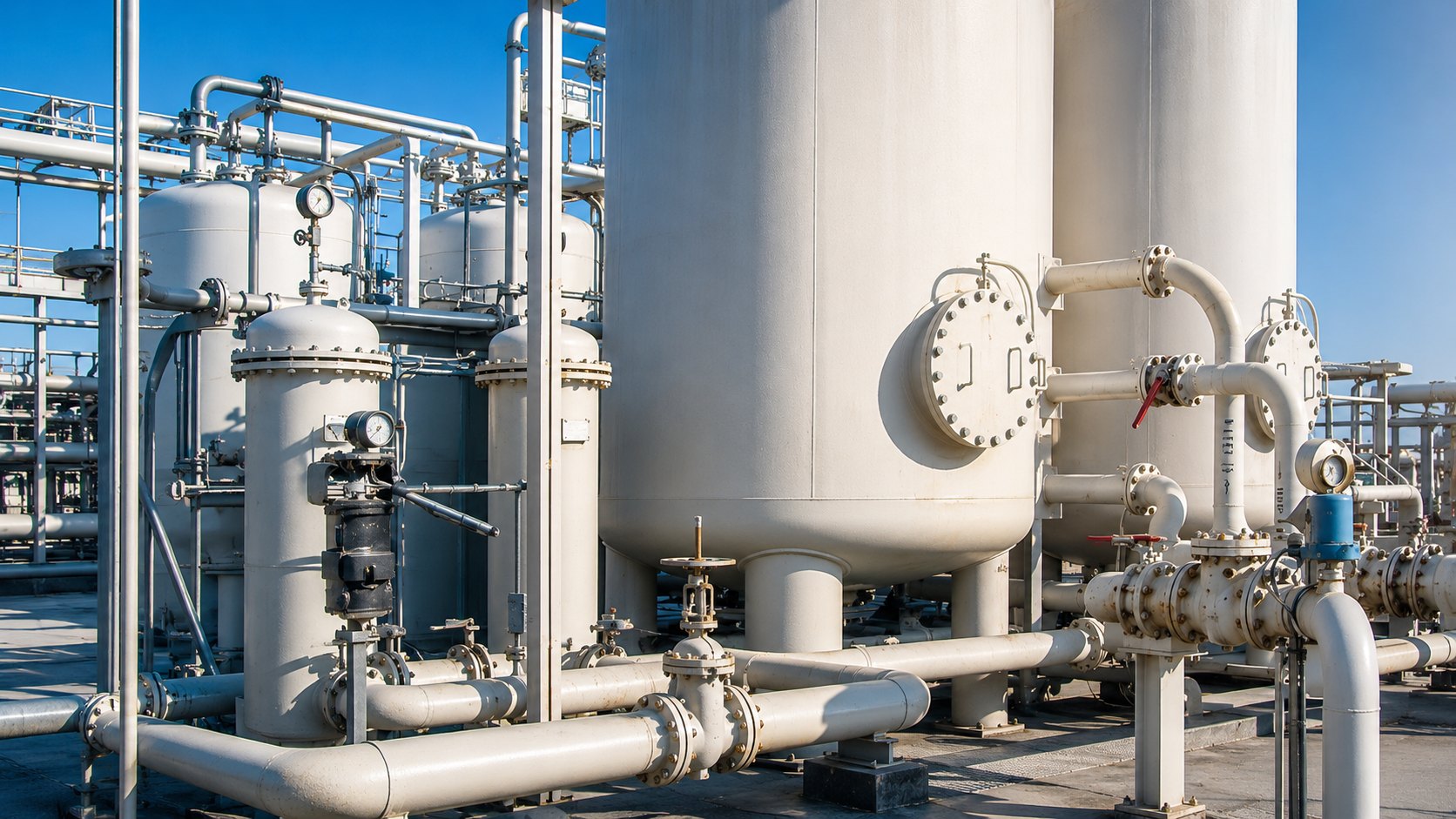
Brownfield Engineering: Managing Modifications Without Disrupting Operations
Brownfield modifications must improve existing assets without creating new integrity, operability or construction risks. Effective delivery depends on accurate site information, disciplined interface management and a clear understanding of how the facility actually operates.
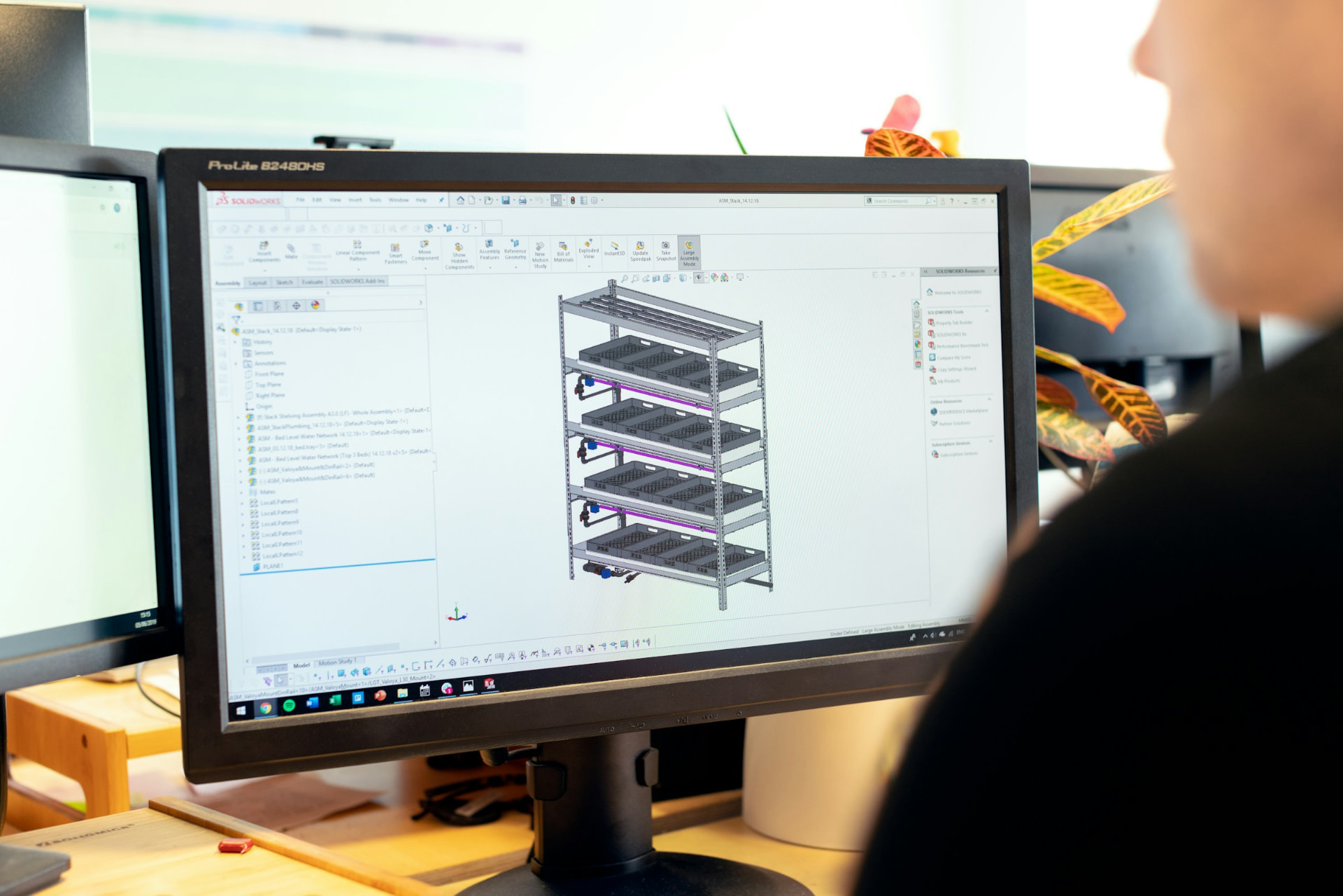
Practical Mechanical Design for Real-World Project Execution
A design is not truly complete when the calculation is finished. Execution-ready mechanical design must also account for fabrication, installation, access, maintenance, inspection and the quality of the technical information issued to the people responsible for delivering the work.
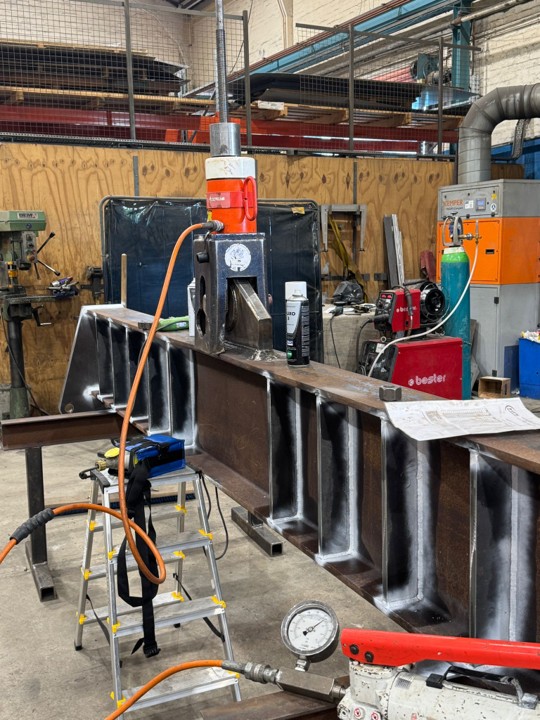
What Goes Into Designing, Verifying and Proof Testing a Lifting Beam
A lifting beam is a load-bearing engineered system, not simply a fabricated steel member. Its design and acceptance require a defined load path, verified structural capacity, suitable materials and connections, controlled fabrication, inspection and proof testing.
Need assurance-led engineering support on a live asset or project?
Book a technical consultation to discuss scope, risk profile, project stage, and the most appropriate support model.