

Brownfield Engineering: Managing Modifications Without Disrupting Operations
Brownfield modifications must improve existing assets without creating new integrity, operability or construction risks. Effective delivery depends on accurate site information, disciplined interface management and a clear understanding of how the facility actually operates.
Brownfield engineering is fundamentally different from designing a new facility. In a greenfield project, the engineer begins with a defined design basis and relatively controlled interfaces. In an operating plant, every modification must be integrated into equipment, structures and systems that may have been installed years—or decades—earlier.
The first challenge is understanding what is actually present. Existing drawings may be incomplete, outdated or inconsistent with site conditions. Equipment may have been repaired, replaced or altered without every change being reflected in the available records. Before design begins, engineers therefore need to review the technical documentation, confirm critical dimensions and identify the operational and physical constraints that could affect the proposed work.
Interface management is central to the process. A mechanical modification may affect structural supports, electrical supplies, instrumentation, access routes, fire and gas systems, drainage, lifting arrangements or maintenance activities. Treating the change as an isolated mechanical task can result in clashes, inaccessible equipment or unintended loads on the existing plant.
A sound brownfield workflow begins with clear scope definition and a documented design basis. The engineer identifies the existing system boundaries, operating conditions, materials, applicable standards and known degradation mechanisms. Site information is then used to develop a solution that is technically suitable and practical to install.
Constructability should be considered throughout the design. Engineers need to assess whether components can be transported to the work area, whether existing systems must be isolated and whether the modification can be completed within the available shutdown period. Temporary supports, lifting arrangements, access platforms and installation sequences may be as important as the final design.
CITA Engineering’s corporate delivery methodology places particular emphasis on understanding the client’s operational requirements before progressing through definition, design, verification, delivery and commissioning. This is especially relevant to brownfield work, where project success depends on maintaining alignment between technical integrity, safety, programme and operational continuity.
Verification is also essential. Modified equipment and structures should be checked for the new operating and installation conditions, not simply assumed to remain suitable because they were adequate before the change. Calculations, design reviews and interdisciplinary checks help confirm that the modification has not introduced unacceptable stresses, loads or operational risks.
Brownfield engineering does not end when the drawing is issued. Procurement support, technical-query resolution, construction engineering, change control, commissioning assistance and as-built documentation are often required to maintain design intent during implementation.
The most successful modifications are those that solve the immediate technical problem while respecting the limitations of the existing facility. By combining accurate site information, multidisciplinary coordination and practical construction awareness, engineering teams can improve asset performance without compromising safety or creating unnecessary disruption.
Related projects
Related articles.
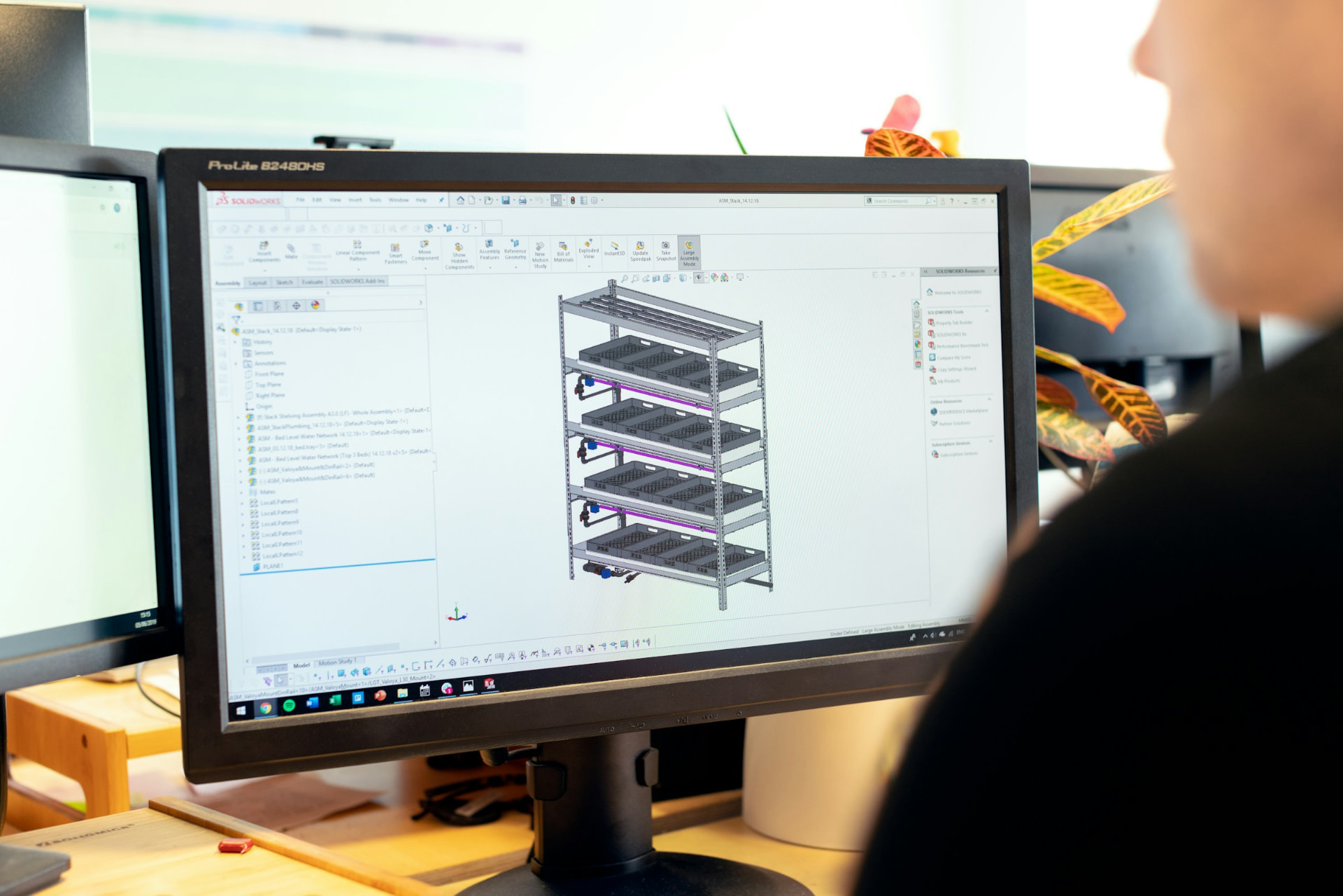
Practical Mechanical Design for Real-World Project Execution
A design is not truly complete when the calculation is finished. Execution-ready mechanical design must also account for fabrication, installation, access, maintenance, inspection and the quality of the technical information issued to the people responsible for delivering the work.
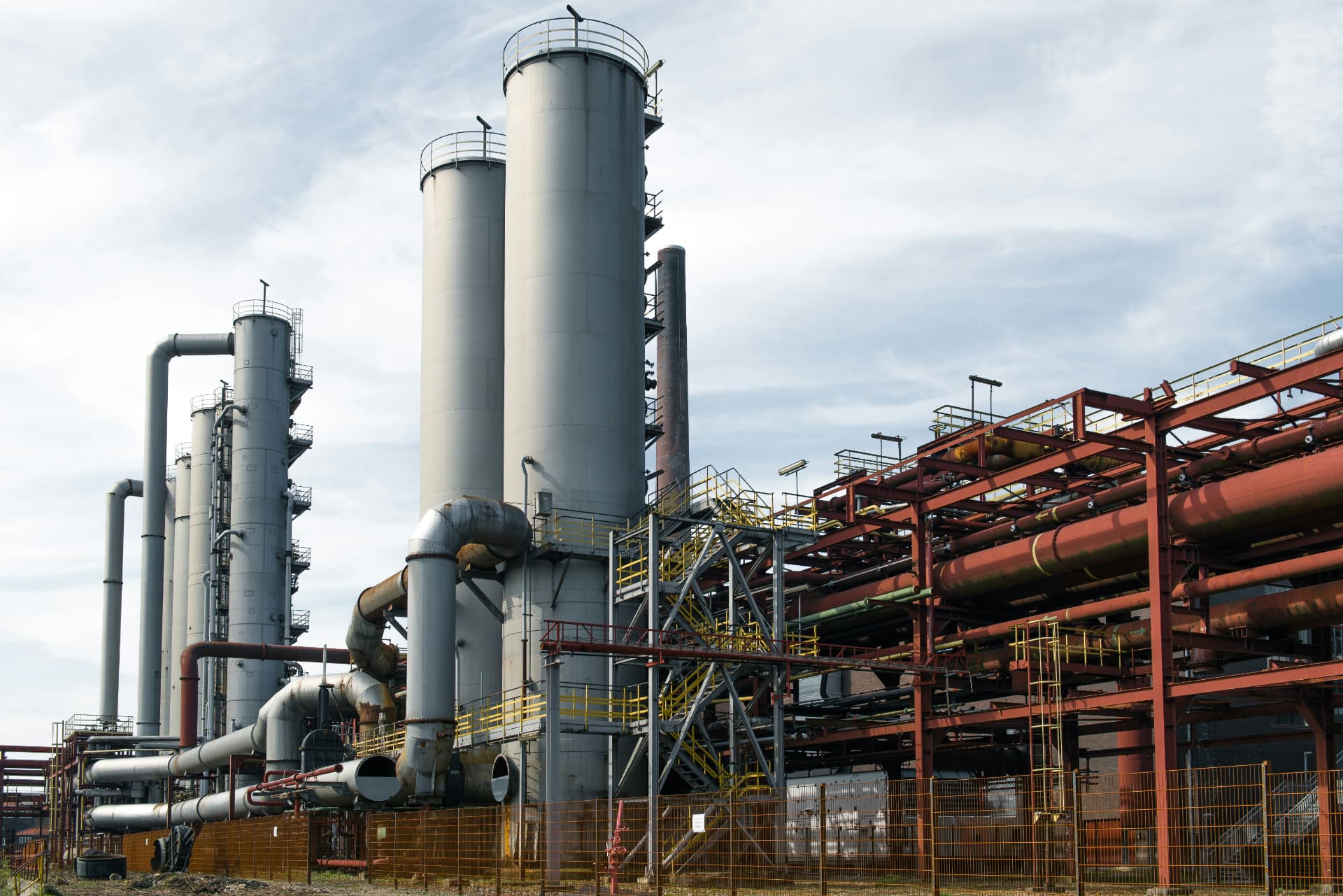
Asset Integrity Priorities for Ageing Industrial Facilities
Ageing equipment should not be judged by age alone. Effective asset-integrity decisions combine inspection findings, engineering assessment, operating history and risk to determine whether equipment can remain in service, requires modification or should be replaced.
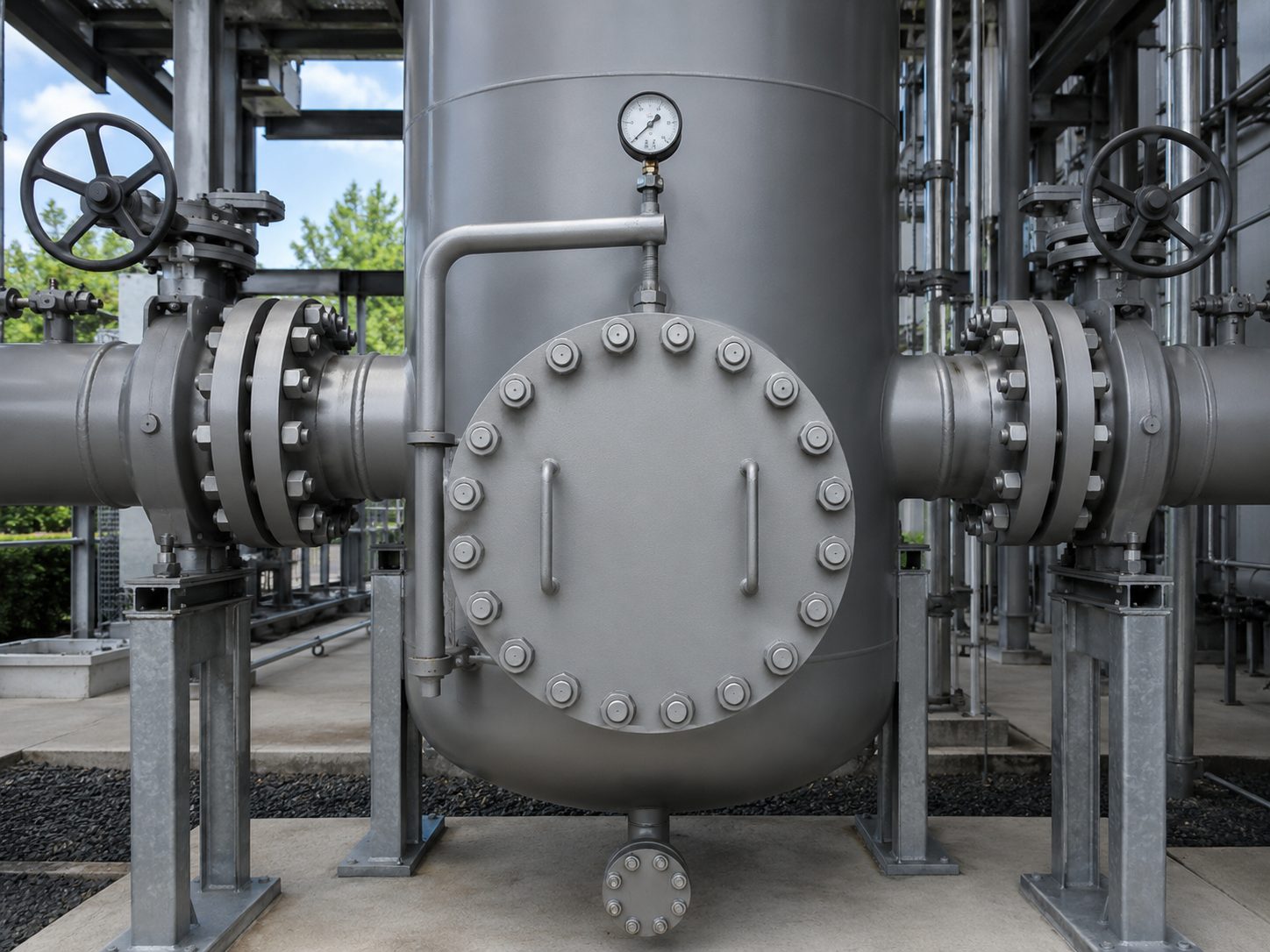
Why Independent Engineering Assurance Matters on Critical Assets
Independent engineering assurance gives asset owners and project teams confidence that critical designs, calculations and technical decisions have been reviewed objectively before they are implemented. It is particularly important where failure could affect safety, operations, cost or project schedule.
Need assurance-led engineering support on a live asset or project?
Book a technical consultation to discuss scope, risk profile, project stage, and the most appropriate support model.