
Finite Element Analysis: Turning Complex Structural Behaviour into Engineering Decisions
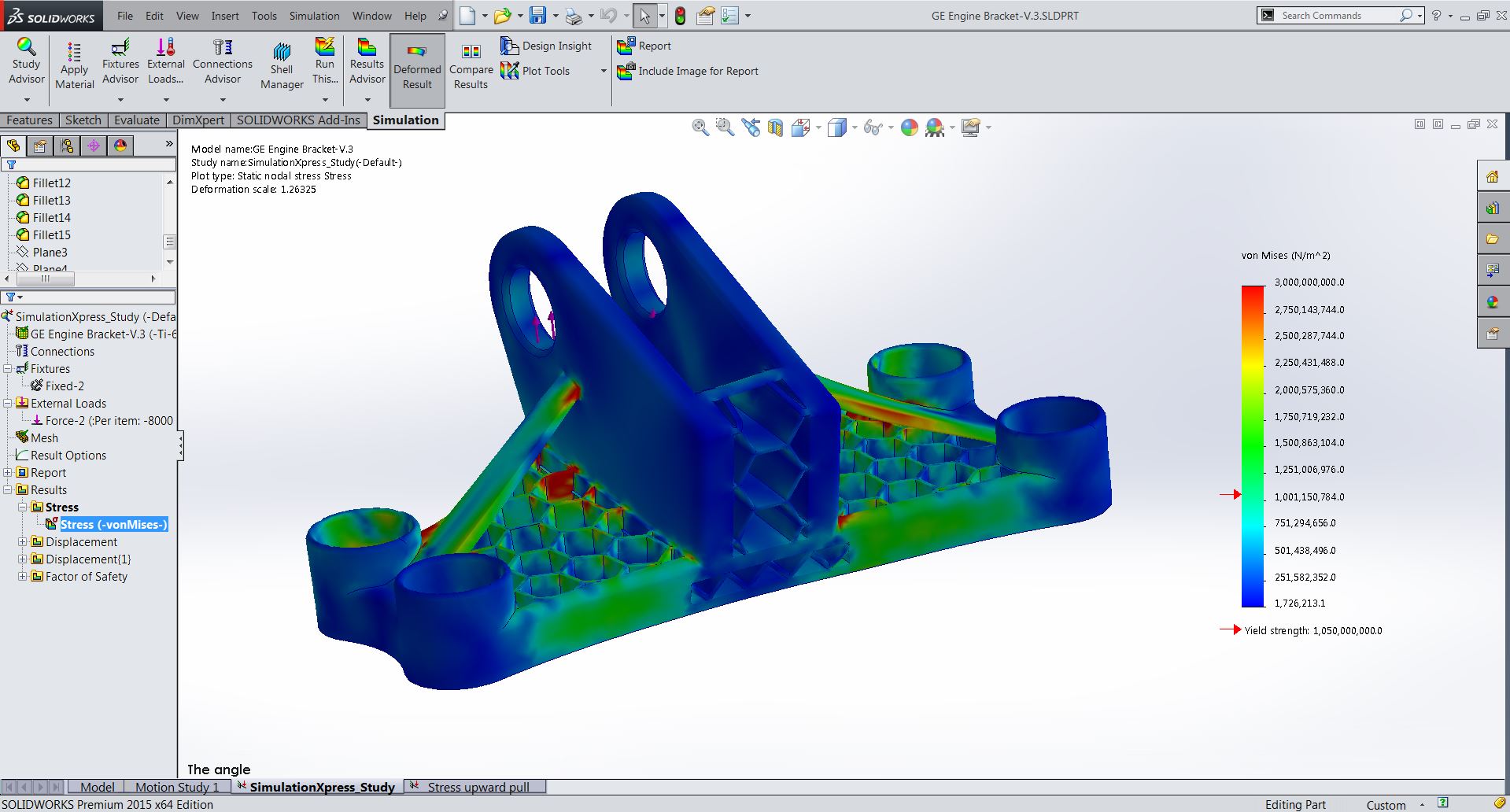
Finite Element Analysis can reveal stress concentrations, deformation and load paths that are difficult to evaluate using simplified calculations alone. Its value depends on realistic assumptions, appropriate modelling and careful engineering interpretation.
Finite Element Analysis is one of the most powerful tools available for structural and mechanical assessment. It allows engineers to divide complex geometry into smaller elements and calculate how the complete system responds to applied loads, restraints and material behaviour.
The software, however, does not make the engineering decision. A model can produce detailed stress contours and displacement plots while still being misleading if the loads, supports or connections do not represent the real equipment.
The first step in a credible analysis is a clearly defined engineering question. The analyst must understand what is being assessed: global strength, local stress, deformation, stability, lifting performance, connection behaviour or the effect of a proposed modification. This determines the level of model detail and the type of results required.
Boundary conditions are especially important. A fully fixed support in the model may be much stiffer than the actual bolted or welded connection. Similarly, an applied point load may create an artificial stress concentration if the real load is distributed through a plate, pin or bearing surface. The model should represent the physical load path as closely as reasonably practical.
Material properties, element selection and mesh density must also suit the assessment. Areas with changes in geometry, holes, lifting lugs or concentrated load transfer generally require greater refinement than uniform sections. Mesh refinement should be sufficient to understand the behaviour without treating every local numerical peak as a physically meaningful design stress.
CITA Engineering’s support-structure, lifting-beam and E-House projects illustrate different applications of FEA. For the support structure, analysis was used to examine stress distribution, structural deformation and load transfer through the main members and connections. For the 35-tonne lifting beam, the analysis considered global beam behaviour and local effects around the lifting interfaces. The E-House assessment used FEA to evaluate modular LV, MV and transformer units under lifting conditions, helping distinguish acceptable structural behaviour from a critical local issue within the transformer lifting arrangement.
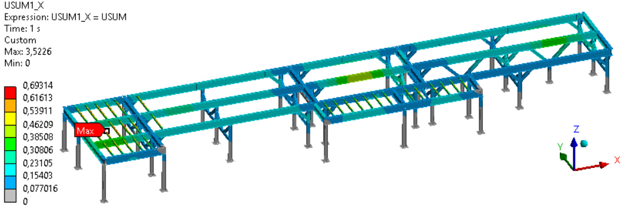
These examples demonstrate that the most important output is not the colour plot itself. The purpose of FEA is to support an engineering conclusion: whether the structure is suitable, where strengthening is required, which detail governs the design and what actions should be taken before fabrication or lifting.
Results should therefore be reviewed against hand calculations, expected structural behaviour and applicable acceptance criteria. Unexpected deformation or stress patterns may indicate a genuine issue, but they may also expose an unrealistic restraint or modelling error.
A good FEA report should document the geometry, assumptions, materials, loads, constraints, mesh approach, results, acceptance criteria and engineering recommendations. This allows the analysis to be independently reviewed and used as part of the project’s technical record.
Used correctly, FEA does more than confirm a design. It improves understanding of how the structure carries load, identifies weaknesses before execution and enables targeted, proportionate design improvements.
Related projects
Related articles.
Why Independent Engineering Assurance Matters on Critical Assets
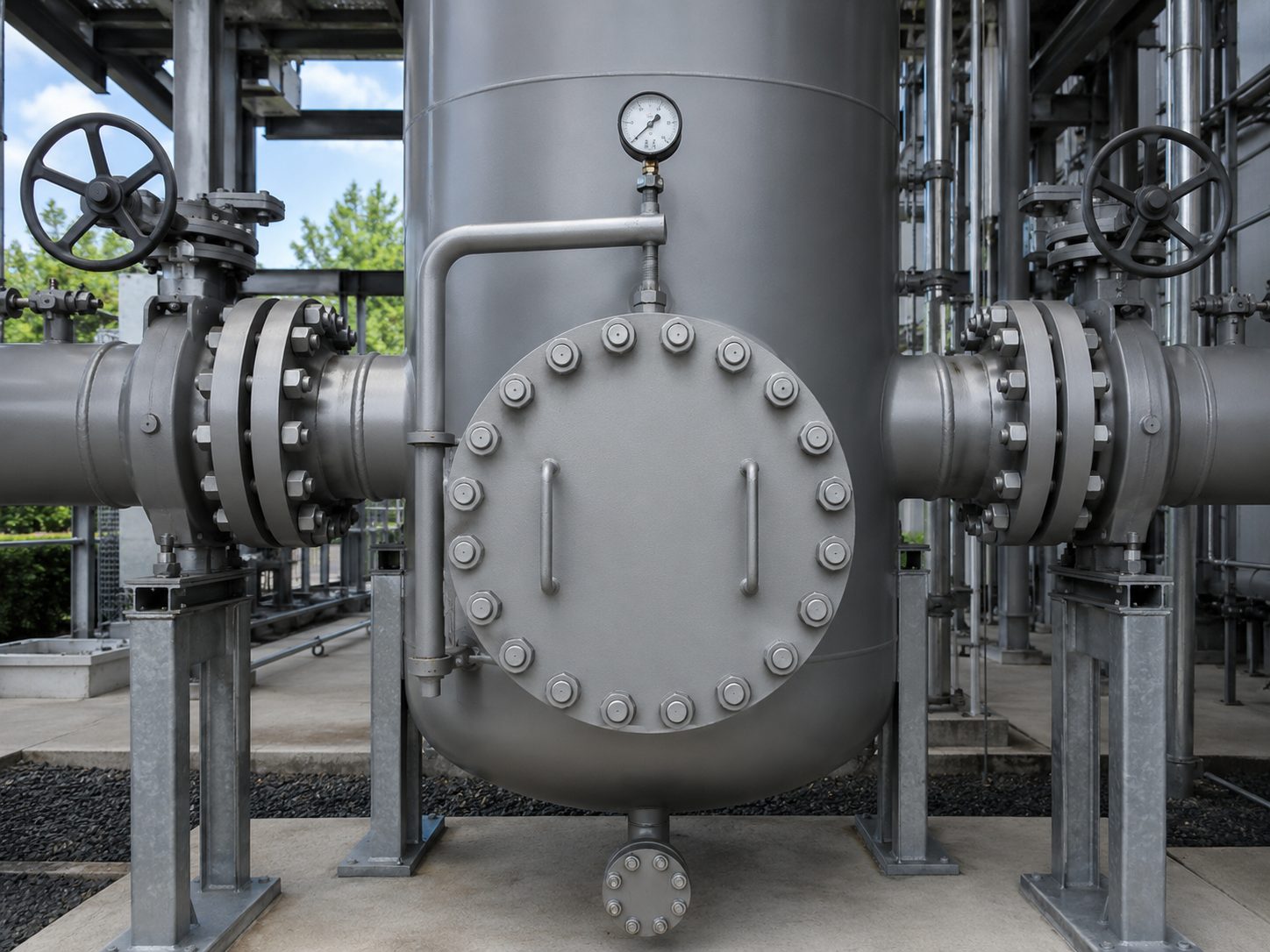
Independent engineering assurance gives asset owners and project teams confidence that critical designs, calculations and technical decisions have been reviewed objectively before they are implemented. It is particularly important where failure could affect safety, operations, cost or project schedule.
Embedded Engineering Support: More Than Additional Manpower
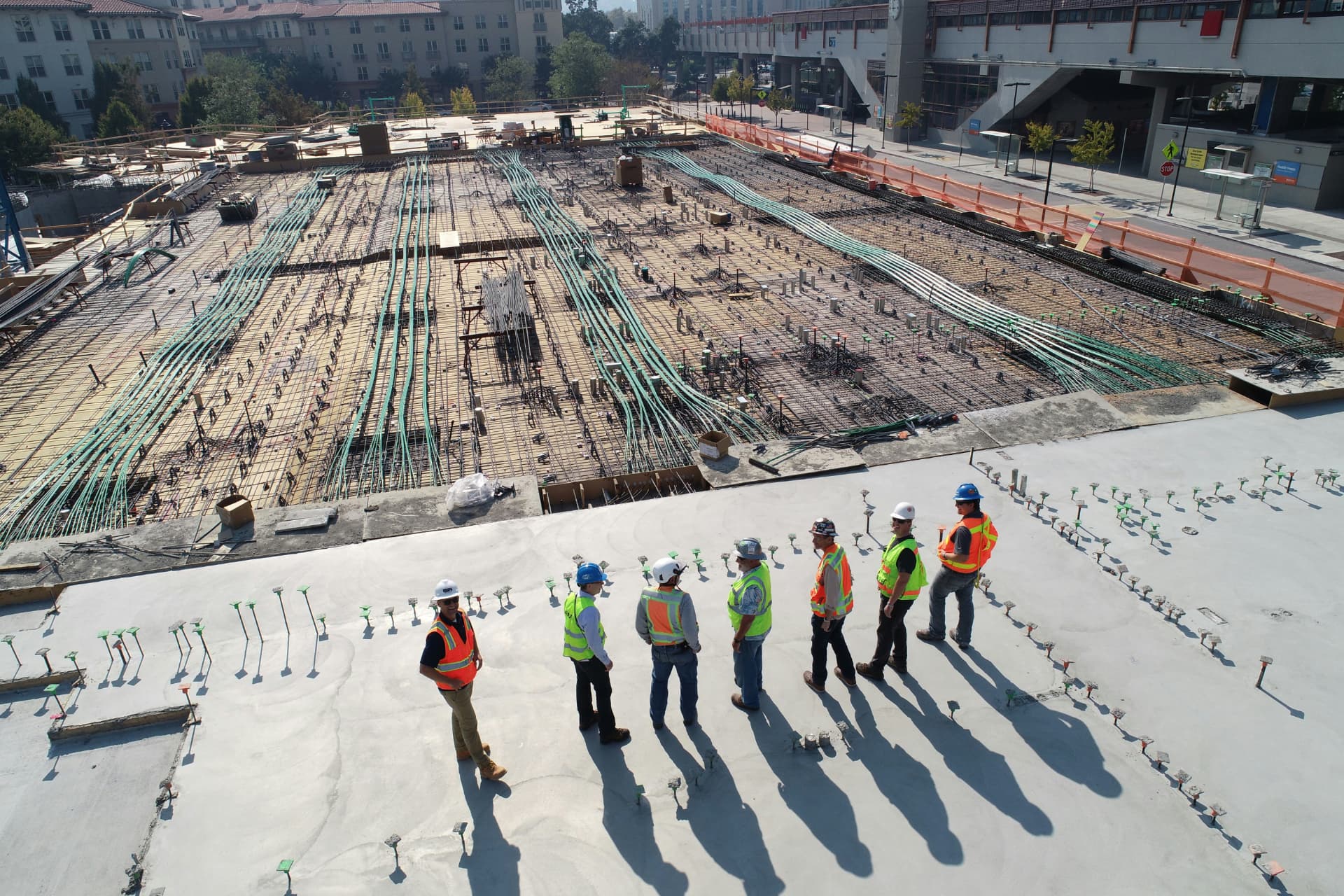
Embedded engineering support gives project teams flexible access to specialist capability, but its value extends beyond filling a temporary vacancy. The strongest arrangements combine competent personnel with technical governance, clear responsibilities and integration into the client’s delivery processes.
What Goes Into Designing, Verifying and Proof Testing a Lifting Beam
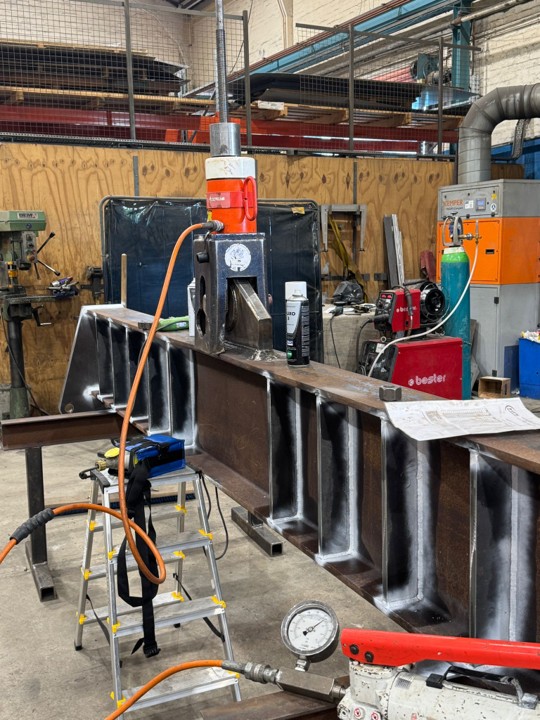
A lifting beam is a load-bearing engineered system, not simply a fabricated steel member. Its design and acceptance require a defined load path, verified structural capacity, suitable materials and connections, controlled fabrication, inspection and proof testing.
Need assurance-led engineering support on a live asset or project?
Book a technical consultation to discuss scope, risk profile, project stage, and the most appropriate support model.