
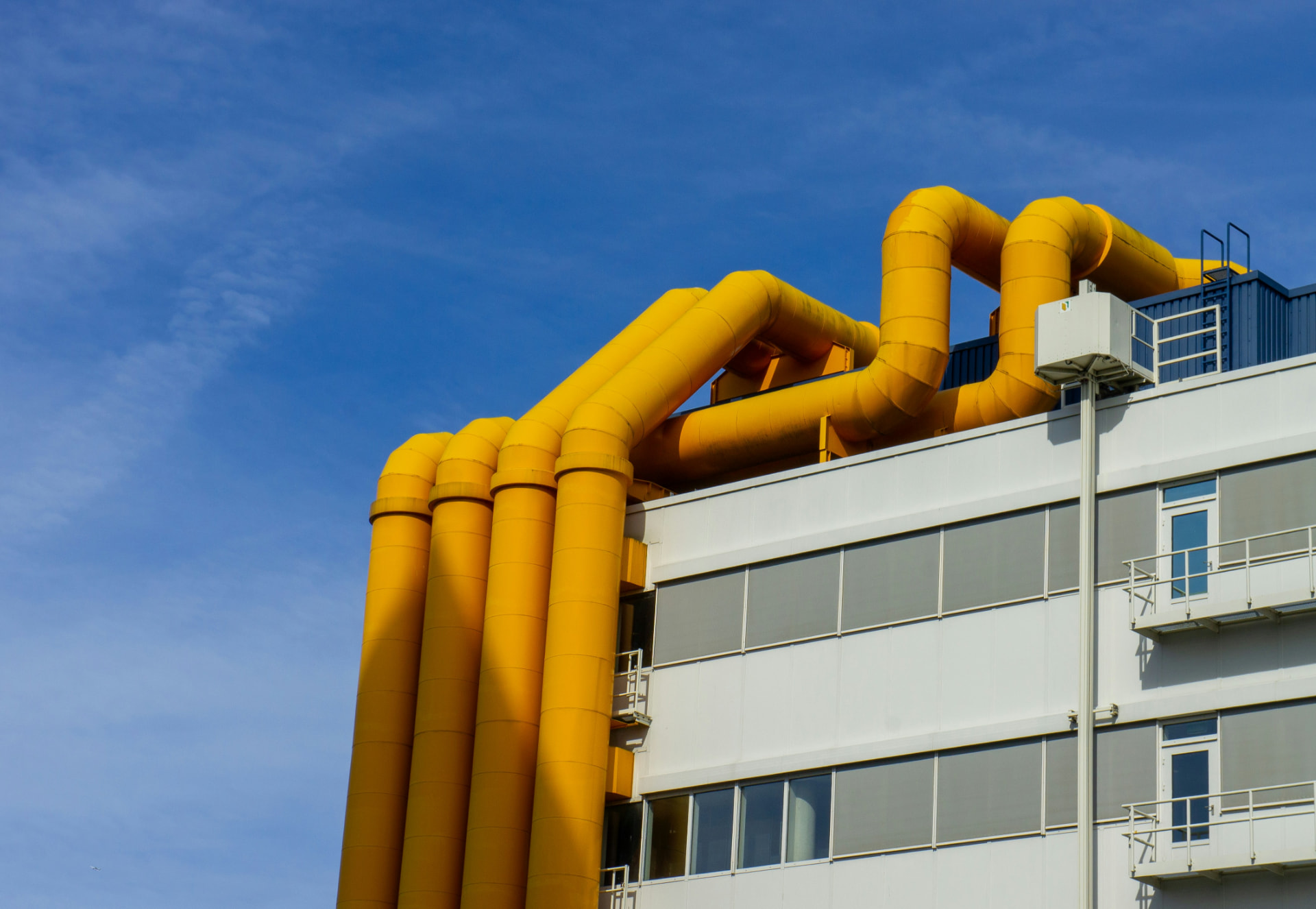
Ventilation and Cooling Design in Industrial and Process Facilities
Industrial ventilation and cooling systems protect equipment, maintain safe operating conditions and support facility reliability. Effective design begins with the heat load and operating requirement—not simply the selection of an air-conditioning unit.
Ventilation and cooling systems in industrial facilities perform a different role from ordinary building comfort systems. Their primary purpose may be to protect electrical equipment, maintain safe environmental conditions, control internal pressure, remove process heat or prevent the accumulation of hazardous contaminants.
A reliable design begins with an understanding of the internal heat load. In an electrical building, transformers, switchgear, drives, control equipment, lighting and auxiliary systems can all contribute heat. External conditions, solar gain, wall and roof construction, air leakage and occupancy may add further load.
The designer must determine both the peak cooling requirement and how the load changes during normal operation, standby conditions and equipment failure. Oversizing can create unnecessary cost, poor control and inefficient operation, while undersizing may lead to high internal temperatures, equipment derating or premature component failure.
CITA Engineering’s ventilation and cooling project involved a modular electrical switchgear building containing critical equipment. The engineering scope included heat-load assessment, ventilation and cooling requirements, airflow distribution, equipment selection, pressurisation and control interfaces.
Airflow is determined by more than the cooling duty. Engineers must consider how air enters, moves through and leaves the building. Poor distribution can create hot spots even when the installed cooling capacity appears adequate. Supply and extract locations should therefore be coordinated with the equipment arrangement, maintenance access and the expected sources of heat.
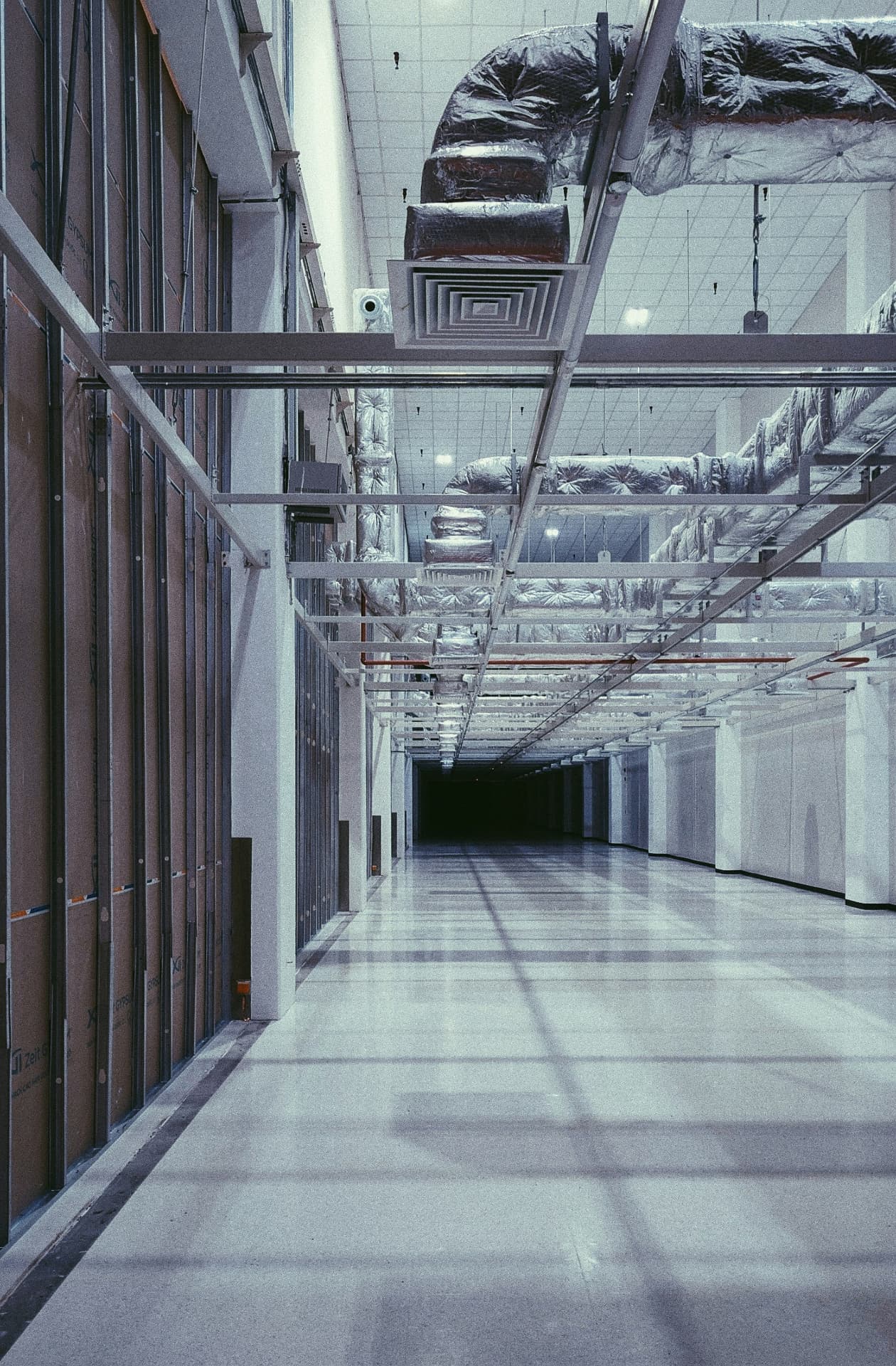
Positive pressurisation may also be required to reduce the ingress of dust, moisture or contaminated external air. In such cases, the relationship between supply air, extract air and building leakage needs to be controlled. Door opening, filter loading and damper operation can all affect the pressure regime.
Industrial HVAC systems frequently interface with fire and gas systems. Fire dampers, gas-detection signals, emergency shutdown logic and ventilation modes must be coordinated carefully. The system may need to respond differently during normal operation, detected gas conditions, fire events or loss of cooling.
Heat recovery can improve efficiency where appropriate, but it must not compromise segregation or introduce unacceptable contamination risk. Control through a building-management system also allows temperature, pressure, equipment status, alarms and operating modes to be monitored.
Modular facilities introduce further constraints. Equipment and ductwork must fit within limited space, avoid clashes with electrical systems and remain suitable for off-site fabrication, transportation and final installation. Maintainability is essential: filters, fans, coils, dampers and control components must remain accessible after the module is fully assembled.
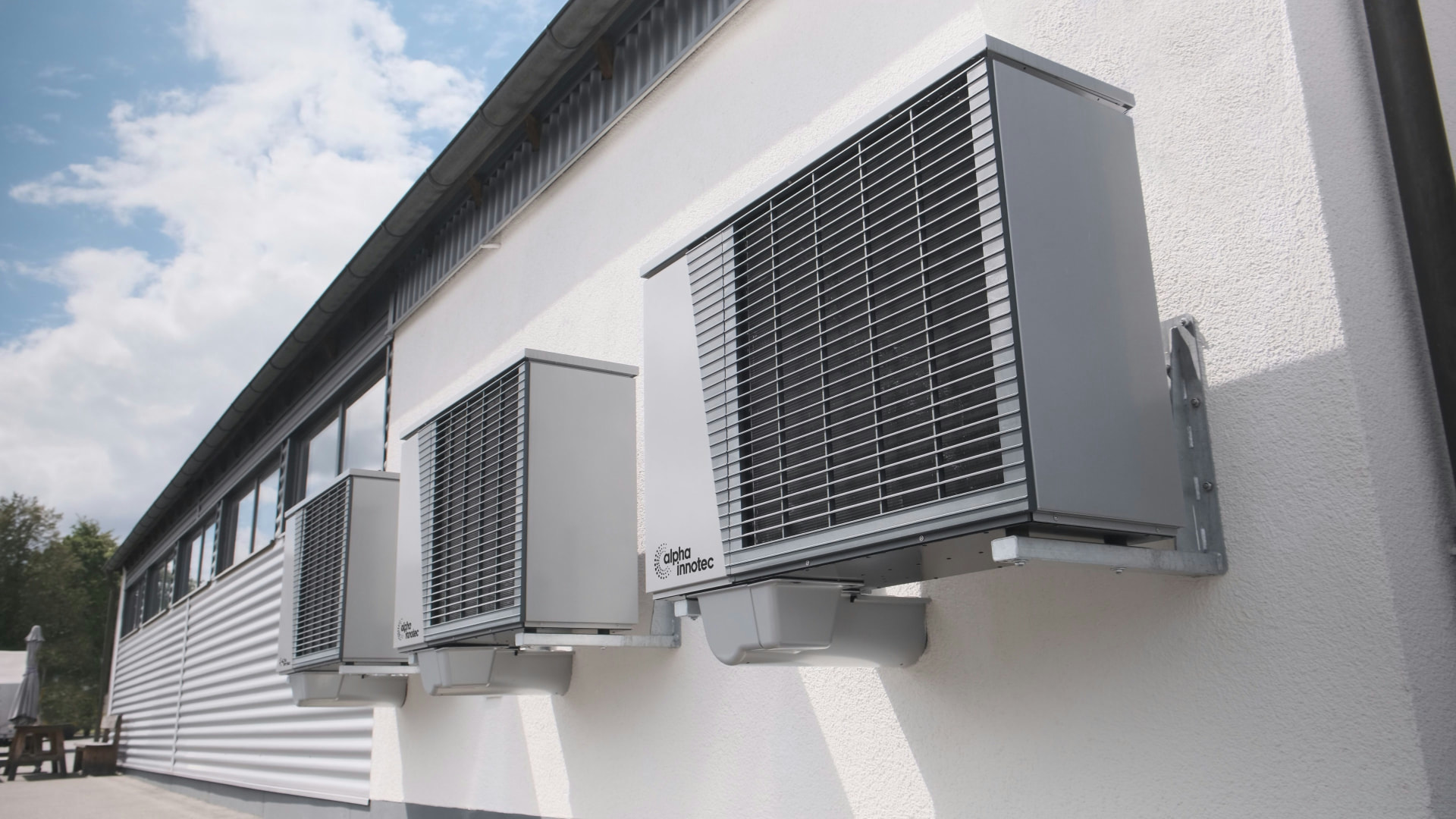
The CITA project combined HVAC design with installation and commissioning support, helping ensure that the final system reflected the design intent. This is critical because airflow balancing, control settings and functional testing often determine whether a technically correct design performs properly in operation.
Effective industrial cooling design therefore requires an integrated approach that considers heat loads, airflow, equipment protection, pressure control, safety interfaces, maintainability and commissioning as parts of one complete system.
Related services
Related articles.
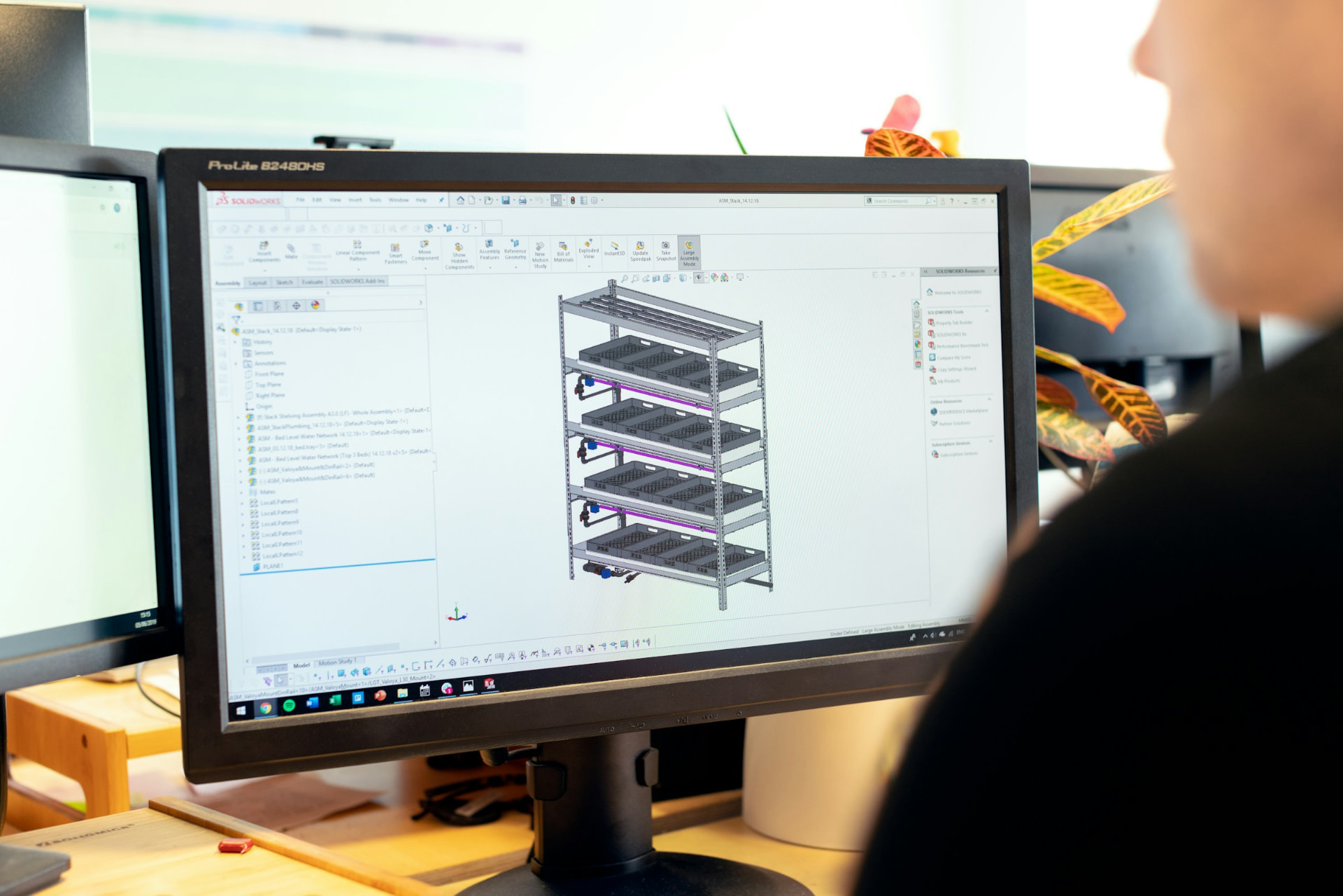
Practical Mechanical Design for Real-World Project Execution
A design is not truly complete when the calculation is finished. Execution-ready mechanical design must also account for fabrication, installation, access, maintenance, inspection and the quality of the technical information issued to the people responsible for delivering the work.
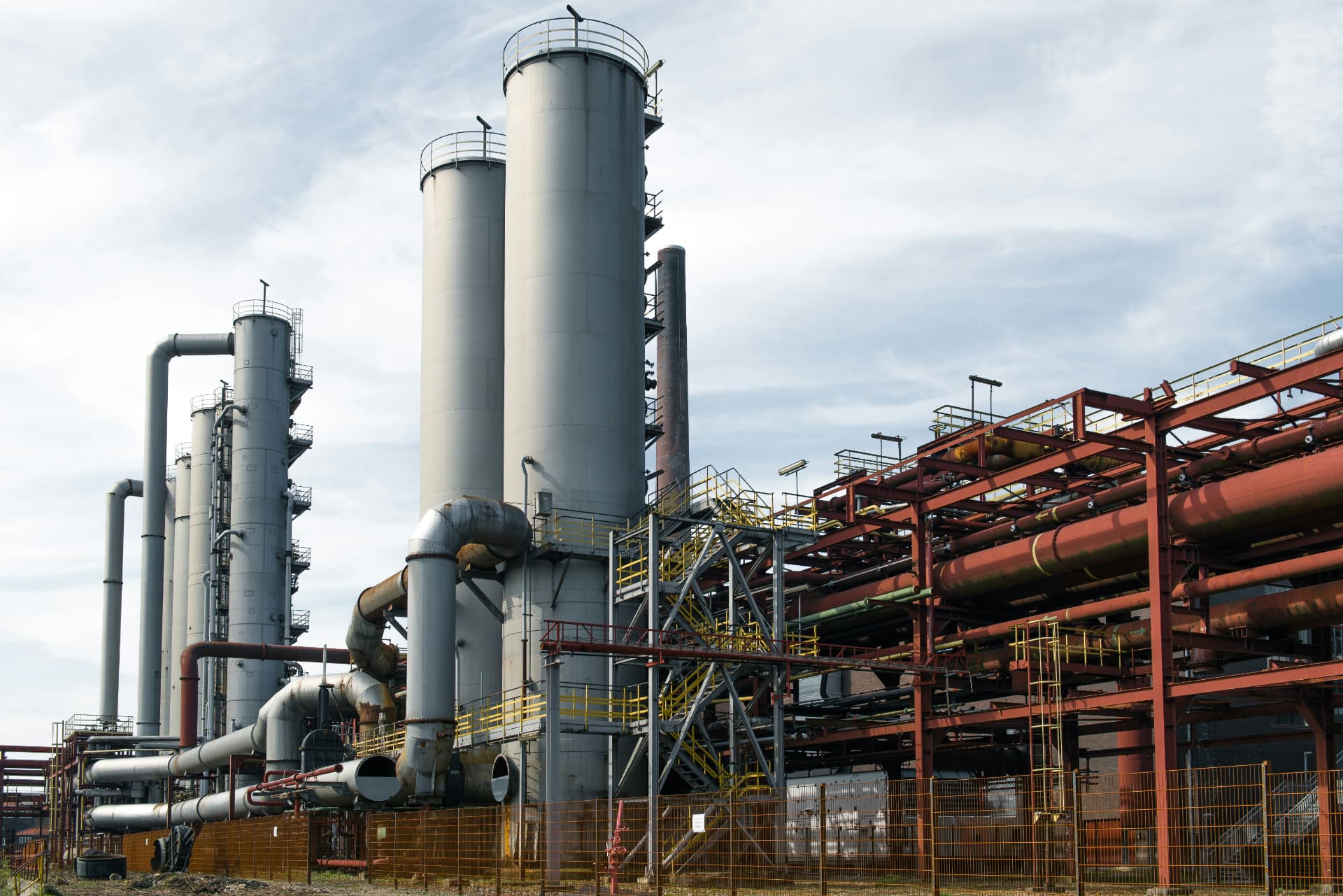
Asset Integrity Priorities for Ageing Industrial Facilities
Ageing equipment should not be judged by age alone. Effective asset-integrity decisions combine inspection findings, engineering assessment, operating history and risk to determine whether equipment can remain in service, requires modification or should be replaced.
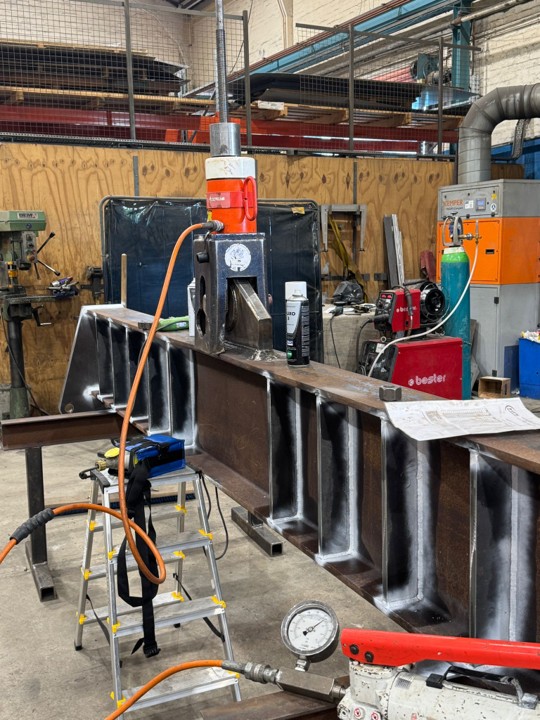
What Goes Into Designing, Verifying and Proof Testing a Lifting Beam
A lifting beam is a load-bearing engineered system, not simply a fabricated steel member. Its design and acceptance require a defined load path, verified structural capacity, suitable materials and connections, controlled fabrication, inspection and proof testing.
Need assurance-led engineering support on a live asset or project?
Book a technical consultation to discuss scope, risk profile, project stage, and the most appropriate support model.